Career Guides provides practical advice for anyone looking to build, develop or progress a career in health and safety. Whether you’re taking your first steps into the profession, changing careers or planning your next move, these guides combine real-world experience with recognised qualifications to help you make informed decisions and realise your full potential.

The BV Safety Academy

Free NEBOSH Open Book Assessment (OBE) Exam Success Guide


Return to Academy Home Page


Maximise Your Marks with Our Proven 12-Step Exam Roadmap

Tried. Tested. Trusted.

Preparing for the NEBOSH Open Book Assessment can feel overwhelming, especially if you’re unsure what the examiner is looking for.

At BV Associates Academy, we’ve supported hundreds of learners through their qualifications. This free guide brings together the practical techniques our tutors teach every day to help learners approach their assessment with confidence.

Whether you’re studying the NEBOSH General Certificate, Construction Certificate or another qualification that uses an Open Book Assessment, these proven techniques will help you organise your time, structure your answers and maximise your marks.

Download your free guide below.

[Download the Free Guide]

What’s Inside?

Our professionally designed guide includes practical advice including:

  • A proven 12-step approach to tackling an Open Book Assessment
  • How to plan your assessment before you start writing
  • An 8-hour time management plan
  • The PEE method (Point • Evidence • Explain)
  • How to identify evidence within the scenario
  • Common mistakes that lose marks
  • Examiner tips to improve your answers
  • A final five-minute submission checklist

Everything is designed to help you work smarter—not harder.

Why Learners Find This Guide Useful

Many learners know the course content but struggle to translate that knowledge into high-scoring answers.

Success isn’t simply about what you know. It’s about answering the question clearly, using evidence from the scenario and managing your time effectively.

Our guide helps you build a structured approach before you even begin writing.

Our 12-Step Roadmap

  1. Read the questions first.
  2. Find the relevant topic.
  3. Print and highlight the scenario.
  4. Start with the easiest question.
  5. Manage your time.
  6. Read the full question.
  7. Decode what the examiner is asking.
  8. Plan your answer.
  9. Use the PEE method.
  10. Go beyond the marks available.
  11. Review every answer.
  12. Sleep, review and submit.

Why Choose BV Associates?

We believe great training should be practical, engaging and designed around real workplace application. Our tutors don’t just teach the syllabus – they help learners understand how to apply their knowledge during assessments. That’s why our resources are:

  • Practical
  • Easy to follow
  • Based on real learner experience
  • Continuously improved through feedback

Tried. Tested. Trusted.

Frequently Asked Questions

Is this an official NEBOSH guide?

No. This is an independent learner support guide produced by BV Associates Academy to help candidates prepare for Open Book Assessments. It is not published or endorsed by NEBOSH.

Does this guarantee I’ll pass?

No study guide can guarantee success. However, following a structured approach can help you present your knowledge more effectively and avoid common mistakes.

Is the guide free?

Yes. You can download the guide free of charge.


Can I use it for qualifications other than the NEBOSH General Certificate?

Yes.

The guidance focuses on general Open Book Assessment techniques and can be useful for other NEBOSH qualifications that use the same assessment format.

Looking for NEBOSH Training?

If you’re considering studying with us, our experienced tutors deliver engaging, practical NEBOSH courses with ongoing learner support before, during and after your training.

Explore our NEBOSH courses or contact us to discuss the best option for you.

Ready to start your Health & Safety journey?

Whether you’re looking for your first qualification, progressing your career or choosing a training provider for your organisation, we’d be delighted to help.

As a NEBOSH Gold Learning Partner, with more than 20 years of experience, 80+ independent five-star Google reviews, flexible study options and a growing BV Safety Academy, we’re committed to supporting learners before, during and long after their course.

Explore our NEBOSH courses, speak to our team or browse the free resources available through the BV Safety Academy today.

Call 01494 864100.

Related Academy Articles:

Continue Your Health & Safety Journey

Whether you’re just starting out or planning your next career move, these expert guides answer some of the most common questions about qualifications, careers and becoming an effective health and safety professional.

Can I Do NEBOSH With No Health and Safety Experience?

You don’t need a civilian health and safety background to succeed. Discover why your existing experience is more valuable than you might think.

Read Expert Guide →

NEBOSH or IOSH: Which Should I Choose?

Choosing your first qualification? Learn which course best suits your responsibilities, career ambitions and future goals.

Read Expert Guide →

Can NEBOSH Help Me Get a Health and Safety Job?

Discover why NEBOSH is one of the most recognised qualifications for people looking to build a career in health and safety.

Read Expert Guide →

Am I Too Old to Start a Career in Health and Safety?

Thinking about changing careers after military service or later in life? Find out why experience is often your greatest strength.

Read Expert Guide →


Return to Academy Home Page
The BV Safety Academy

The Complete Guide to Choosing a NEBOSH Course in 2026


Return to Academy Home Page


Welcome to the BV Safety Academy

The Ultimate NEBOSH Buyer’s Guide

Introduction

Searching for a NEBOSH course can quickly become overwhelming. Within minutes you’ll find dozens of training providers, hundreds of prices, different study methods and countless claims about pass rates, tutor quality and learner support. Some providers advertise the cheapest prices, others promise the highest quality, while many appear to offer exactly the same qualification. So how do you know which course is right for you?

More importantly, how do you know which training provider will genuinely support you from your first enquiry through to achieving your qualification? If you’ve searched for phrases such as:

  • How much are NEBOSH courses?
  • What is the best NEBOSH online course?
  • Which NEBOSH provider should I choose?
  • Is a NEBOSH qualification worth it?
  • How do I compare NEBOSH training providers?

…you’re in exactly the right place.

This guide has been written to help you make an informed decision before investing your time and money. Rather than focusing solely on price, we’ll explain what really matters when choosing a NEBOSH course, what questions you should ask, what warning signs to look for and how to identify genuine value.

Whether you’re paying for your own training, being sponsored by your employer or using ELCAS funding, the same principle applies:

The right training provider doesn’t just help you achieve a qualification—they help you build a successful career.

What is a NEBOSH qualification?

NEBOSH stands for the National Examination Board in Occupational Safety and Health and is one of the world’s most recognised awarding organisations for health, safety and environmental qualifications.

NEBOSH qualifications are respected by employers because they combine technical knowledge with practical application. Rather than encouraging learners to memorise legislation, they develop the ability to identify hazards, assess risks and recommend realistic improvements that make workplaces safer.

Today, NEBOSH qualifications are held by hundreds of thousands of professionals working in industries such as:

  • Construction
  • Manufacturing
  • Engineering
  • Logistics
  • Healthcare
  • Education
  • Retail
  • Facilities Management
  • Utilities
  • Local Government
  • Oil & Gas
  • Hospitality

For many people, the NEBOSH National General Certificate is the starting point of a rewarding career in occupational health and safety.

Is a NEBOSH qualification worth it?

This is one of the most common questions we hear. For most learners, the answer is yes. A NEBOSH qualification can help you:

  • Progress into supervisory or management roles.
  • Start a career in health and safety.
  • Meet employer requirements for promotion.
  • Improve workplace standards.
  • Increase your confidence when managing risk.
  • Strengthen your CV.
  • Demonstrate professional competence.

However, the qualification itself is only part of the picture. How effectively you learn depends greatly on the quality of the training provider you choose. The same qualification delivered by two different providers can result in very different learning experiences.

How much are NEBOSH courses?

The honest answer is…

It depends. Course prices vary considerably because different providers include different levels of support, learning materials and tutor access. While it’s tempting to compare providers purely on price, doing so can be misleading. A cheaper course may appear attractive initially but could include:

  • Limited tutor support
  • Recorded lessons only
  • Basic learning materials
  • Additional assessment fees
  • Extra charges for resits
  • Minimal feedback
  • Little or no support after the course

By contrast, a higher-priced course may include:

  • Experienced tutors
  • Live tutor-led learning
  • Comprehensive course materials
  • Revision support
  • Mock assessments
  • Personal feedback
  • Administrative support
  • Ongoing learner guidance
  • Access to additional learning resources

When comparing providers, always ask what is included, not simply what it costs.

Why do NEBOSH course prices vary?

Think about booking a hotel. Two hotels may both offer a room for the night.One includes breakfast, parking, Wi-Fi, a gym and flexible cancellation. The other offers the room only. Although both are technically selling accommodation, the experience is completely different.

NEBOSH training works in much the same way. Some providers focus on delivering the qualification at the lowest possible cost. Others invest heavily in experienced tutors, learner support, high-quality course materials and ongoing professional development. Neither approach is inherently right or wrong—but it’s important to understand exactly what you’re paying for.

Cheapest vs Best Value

Many people search online for:

Cheapest NEBOSH Course

It’s understandable. Training is an investment. However, the cheapest course isn’t always the best value. Imagine saving £200 on course fees only to discover:

  • Your tutor is difficult to contact.
  • You receive little feedback.
  • Learning materials are outdated.
  • Support ends as soon as teaching finishes.
  • You have to pay additional fees later.

That initial saving can quickly disappear. The better question to ask is:

Which provider gives me the greatest chance of passing first time and applying my knowledge confidently in the workplace?

That’s where genuine value lies.

💡 BV Tutor Tip

Don’t choose your training provider based solely on price. Choose the provider you’ll still be pleased you selected on the day you receive your qualification. Excellent tutors, responsive learner support and high-quality learning resources can make a significant difference to your overall experience.

What should be included in a good NEBOSH course?

Before booking any course, ask what’s included.

A quality training package should provide:

  • Expert tutor support.
  • Up-to-date learning materials.
  • Structured learning sessions.
  • Revision guidance.
  • Assessment preparation.
  • Administrative support.
  • Opportunities to ask questions.
  • Practical workplace examples.
  • Help before, during and after the course.

Increasingly, leading providers also offer additional learning resources such as revision guides, downloadable templates, study videos and online knowledge libraries.

These resources help reinforce learning and continue supporting delegates long after the formal course has ended.

Chapter 3 – Which NEBOSH course is right for you?

One of the biggest mistakes learners make is assuming every NEBOSH qualification is the same. They’re not. Each qualification has been designed for a different audience and a different career objective. Choosing the right course from the beginning can save both time and money while ensuring you gain the qualification that best supports your career aspirations.

If you’re unsure where to begin, don’t worry. Most learners ask exactly the same question:

“Which NEBOSH course should I do first?”

Let’s look at the most popular qualifications.

NEBOSH National General Certificate

Link: NEBOSH General

Best for:

  • People starting a health and safety career
  • Managers and supervisors
  • Business owners
  • Anyone with health and safety responsibilities

The National General Certificate is the qualification most employers ask for when recruiting Health and Safety Advisors or Coordinators.

It provides an excellent introduction to:

  • Risk assessment
  • Health and safety management
  • Leadership
  • Safety culture
  • Workplace monitoring
  • Incident investigation
  • UK health and safety law

If you’re only going to complete one health and safety qualification, this is usually the best place to start.

Typical roles after completing the qualification

  • Health & Safety Advisor
  • Health & Safety Coordinator
  • Compliance Officer
  • Operations Manager
  • Warehouse Manager
  • Site Supervisor
  • Facilities Manager

NEBOSH Health and Safety Management for Construction Certificate

Link: Construction.

Best for:

  • Construction Managers
  • Site Managers
  • Principal Contractors
  • Project Managers
  • Construction Supervisors

Construction remains one of the UK’s highest-risk industries.

This qualification focuses specifically on construction hazards including:

  • Work at height
  • Temporary works
  • Excavations
  • Site traffic
  • Lifting operations
  • Construction legislation
  • Contractor management

If your career is based primarily in construction, this qualification provides knowledge directly relevant to your workplace.

NEBOSH Fire Safety Certificate

Link: Fire Safety.

Best for:

  • Responsible Persons
  • Facilities Managers
  • Fire Wardens
  • Property Managers
  • Building Managers

Fire safety responsibilities extend far beyond carrying out fire drills.

This qualification develops knowledge in:

  • Fire risk assessment
  • Fire prevention
  • Fire protection
  • Means of escape
  • Emergency planning
  • Fire legislation

It is particularly valuable for those responsible for managing premises.

NEBOSH Environmental Management Certificate

Link: Environmental Management.

Best for:

  • Environmental Managers
  • Sustainability Professionals
  • SHEQ Professionals
  • Compliance Managers

Environmental responsibilities are becoming increasingly important.

This qualification covers topics such as:

  • Pollution prevention
  • Waste management
  • Environmental management systems
  • Resource efficiency
  • Environmental legislation

Many organisations now combine health, safety and environmental responsibilities into a single role, making this qualification increasingly valuable.

NEBOSH HSE Certificate in Process Safety Management

Link: Process Safety.

Best for:

  • Oil & Gas
  • Chemical Processing
  • Pharmaceutical Manufacturing
  • Utilities
  • High Hazard Industries

Process safety differs significantly from general occupational safety.

Rather than focusing on individual injuries, it considers major accident hazards that could result in catastrophic consequences.

Topics include:

  • Major hazard control
  • Process safety leadership
  • Asset integrity
  • Emergency planning
  • Human factors

Classroom, Live Online or Distance Learning?

This is probably the second biggest decision you’ll make.

Fortunately, there isn’t a right or wrong answer.

The best method depends on how you learn.

Classroom Learning

Ideal if you enjoy learning alongside other people.

Advantages

  • Face-to-face interaction.
  • Immediate answers from tutors.
  • Networking opportunities.
  • Structured timetable.
  • Fewer distractions.

Consider if:

You learn best through discussion and prefer being away from your normal working environment.

Live Online Learning

Increasingly popular with professionals who want flexibility without sacrificing tutor interaction.

Advantages

  • Learn from home or work.
  • Live tutor support.
  • Interactive sessions.
  • No travel costs.
  • Same course content as classroom learning.

For many learners, this offers the best balance between convenience and engagement.

Distance Learning

Designed for learners who need maximum flexibility.

Advantages

  • Study anytime.
  • Learn at your own pace.
  • Fit around work and family.
  • No fixed timetable.

Distance learning works particularly well for motivated individuals who are comfortable managing their own study schedule.

💡 BV Explains

Think about joining a gym. Some people prefer attending instructor-led classes because they enjoy the structure and motivation of learning with others. Others like exercising at home using online coaching because it fits around their lifestyle. Neither approach is better. The important thing is choosing the option that you’ll stick with. Learning works in exactly the same way.

Five Questions to ask before booking any NEBOSH course

Before committing to a provider, ask these questions:

1. Are they a NEBOSH Gold Learning Partner?

Gold status demonstrates recognised standards of learning and learner support.

2. What support will I receive?

Can you contact your tutor?

Is there support before and after the course?

3. What’s included in the course fee?

Are exams, registration, revision resources and learning materials included?

4. What do previous learners say?

Independent Google reviews provide valuable insight into the learner experience.

5. Will this course help me beyond the qualification?

Look for providers who invest in your long-term development through additional resources, guidance and ongoing support.

📘 BV Tutor Tip

Don’t just ask, “Will I pass?” Ask, “Will I still be using what I’ve learned in five years’ time?” The best training providers don’t simply prepare you for an assessment—they help you become more confident, competent and effective in the workplace.

Chapter 4 – How to choose the best NEBOSH training provider

Let’s imagine you’re about to invest over £1,000 in your professional development. Would you choose a provider based on price alone? Probably not. You’d want to know:

  • Will they support me if I’m struggling?
  • Can I contact my tutor?
  • Are the learning materials up to date?
  • Do other learners recommend them?
  • Will they still help me after the course has finished?

These are the questions that separate an average learning experience from an exceptional one. Unfortunately, many learners only discover the answers after they’ve enrolled. This chapter is designed to help you avoid that mistake.

The cheapest provider isn’t always the best choice

It’s completely understandable to compare prices. Training is an investment.However, there’s an important difference between cheap and good value.

Imagine buying a new laptop. One costs £400. Another costs £800. Without knowing the specification, warranty, customer support or quality, which represents better value? You can’t answer that question based on price alone. Exactly the same principle applies to NEBOSH training.

What makes ip the cost of a NEBOSH course?

When comparing providers, look beyond the headline fee. Ask what is actually included.

Course Materials

  • Are they professionally written?
  • Up to date?
  • Easy to understand?
  • Do they include practical examples?

Tutor Support

  • Can you contact your tutor directly?
  • How quickly do they respond?
  • Can you ask questions outside scheduled sessions?

Revision Support

  • Are revision sessions included?
  • Do you receive practice questions?
  • Are mock assessments available?

Administration

  • Can you easily speak to someone?
  • Do they answer emails promptly?
  • Will someone guide you through the booking and assessment process?
  • Good administration removes stress and allows you to focus on learning.

Ongoing Resources

Increasingly, the best providers continue supporting learners after the course.This might include:

  • Revision guides
  • Study videos
  • Downloadable templates
  • Career advice
  • Continuing professional development resources

This type of ongoing support can significantly increase the long-term value of your investment.

What is a NEBOSH Gold Learning Partner?

One of the easiest ways to shortlist providers is to check whether they have achieved Gold Learning Partner status.

NEBOSH introduced its Learning Partner Programme to recognise providers that consistently demonstrate high standards of learner support, course delivery and quality management.

Achieving Gold status isn’t simply about delivering NEBOSH courses. It reflects a provider’s commitment to creating an excellent learning experience. That means looking at areas such as:

  • Learner support.
  • Quality assurance.
  • Course delivery.
  • Continuous improvement.
  • Learner satisfaction.

When choosing a provider, Gold status provides additional reassurance that recognised quality standards have been met.

Why this matters

Imagine two restaurants. One has been independently recognised for consistently delivering excellent food and service. The other hasn’t.

Both might provide a good meal. But the independent recognition gives you greater confidence before you even walk through the door. Gold Learning Partner status provides similar reassurance when choosing a NEBOSH provider.

Read independent reviews

Perhaps the most valuable advice we can offer is this: Don’t rely solely on what providers say about themselves. Read what their learners say.

Google Reviews are particularly useful because they reflect genuine experiences. When reading reviews, look for recurring themes. For example:

Do learners consistently mention:

  • Helpful tutors?
  • Friendly staff?
  • Excellent communication?
  • High-quality learning materials?
  • Good organisation?
  • Practical teaching?
  • Support after the course?

One positive review tells you very little. Dozens of consistently positive reviews tell a much more compelling story.

What Learners value most

Interestingly, when learners leave reviews, they rarely focus on passing the assessment. Instead, they often talk about:

  • Feeling supported.
  • Tutors making difficult topics easy to understand.
  • Friendly administration teams.
  • Prompt responses to questions.
  • Practical examples.
  • Increased confidence.

Those experiences often have a much greater impact than the qualification itself.

Questions every Learner should ask

Before enrolling with any provider, ask these questions.

Are your tutors experienced?

  • Experience matters.
  • Good tutors don’t simply understand the syllabus.
  • They understand how people learn.

What support do I receive if I’m struggling?

  • Every learner has moments where they need additional guidance. Find out how that support is provided.

Are there any additional costs?

  • Clarify what’s included before booking.
  • Unexpected charges can quickly increase the overall cost.

What happens after the course?

  • Do you continue receiving support?
  • Can you access additional resources?
  • Is there ongoing professional development available?

Can I speak to someone before booking?

A conversation often tells you far more than a website ever can. A provider who takes time to understand your goals before recommending a course is demonstrating the same level of support you can expect throughout your learning journey.

Why Learner support matters more than you think

One of the biggest differences between training providers isn’t the qualification. It’s the people behind it. Good learner support can:

  • Build confidence.
  • Reduce stress.
  • Keep learners motivated.
  • Improve understanding.
  • Encourage progression.
  • Create a far more enjoyable learning experience.

Many learners remember how they were treated long after they’ve forgotten individual lessons.

💡 BV Explains

Imagine joining a hiking expedition. Both groups follow exactly the same route. One has an experienced guide who encourages you, answers questions and helps whenever the path becomes difficult. The other simply hands you a map and wishes you good luck. Both may eventually reach the destination. But the journey is completely different. Choosing a training provider works in exactly the same way.

Why many Learners choose BV Associates

Every learner has different priorities, and there are several excellent NEBOSH Learning Partners across the UK. However, many of our learners tell us they chose BV Associates because they were looking for more than just a course. They wanted:

  • A recognised NEBOSH Gold Learning Partner.
  • Friendly, knowledgeable tutors.
  • Personal support throughout their learning journey.
  • Flexible classroom, live online and distance learning options.
  • Practical teaching based on real workplace experience.
  • Access to additional study resources through the BV Safety Academy.
  • A provider with more than 80 independent five-star Google reviews.
  • A team they could contact before, during and after their course.

We’re incredibly proud that so many of our learners comment not just on the quality of the training, but on the support they received throughout the entire process. For us, that’s the measure that matters most.

Chapter 5 – Is the cheapest NEBOSH course really the best value?

One of the most common online searches is: “Cheapest NEBOSH Course”

It’s easy to understand why. A NEBOSH qualification is a significant investment, and naturally most people want to save money where they can. However, there’s an important difference between the cheapest course and the best value course. They’re rarely the same thing.

The decision you make today could influence not only whether you enjoy your learning experience, but also whether you successfully achieve your qualification and feel confident applying it in the workplace afterwards.

So before comparing prices, it’s worth asking a different question:

“What am I actually paying for?”

Price vs Value

Imagine two driving schools. Both charge different prices. One simply teaches you enough to pass your driving test. The other teaches you how to become a safe, confident driver for life. Which offers better value?

Most people would choose the second option. The same principle applies to NEBOSH training. Your goal isn’t simply to pass an assessment. It’s to develop knowledge and confidence that you’ll continue using throughout your career.

What can affect the price of a NEBOSH course?

Course prices vary because providers invest in different levels of quality and learner support. Some of the factors that influence cost include:

  • Experienced tutors with real industry knowledge.
  • Live tutor-led sessions.
  • Smaller class sizes.
  • Comprehensive learner materials.
  • Administrative support.
  • Revision workshops.
  • Mock assessments.
  • Personal feedback.
  • Technology platforms.
  • Additional learning resources.
  • Post-course support.

Two providers may advertise the same qualification, but the learning experience can be very different.

What’s included matters more than the price

Before enrolling, compare what’s actually included. Ask questions such as:

  • Are all learning materials included?
  • Will I have access to my tutor?
  • Can I ask questions outside teaching sessions?
  • Are revision sessions included?
  • Is assessment support provided?
  • Are there any hidden fees?
  • Will I continue receiving support after the course?

The answers often explain why one provider costs more than another.

Hidden costs to watch out for

A lower advertised price isn’t always the final price. When comparing providers, check whether there are additional charges for:

  • Registration fees.
  • Assessments.
  • Learning materials.
  • Resubmissions or resits.
  • Tutor support.
  • Printed manuals.
  • Certification.
  • Extension fees.

Understanding the total cost from the outset helps you make a fair comparison.

💡 BV Explains

Imagine buying a new car. One advert promotes an attractive headline price, but optional extras quickly increase the final cost. Another includes everything you need from the start. Although the second car initially appears more expensive, it may actually represent much better value. Training works in exactly the same way.

The cost of poor support

One aspect that’s rarely discussed is the cost of not receiving enough support. If you’re unable to access your tutor when you’re struggling, or if learning materials don’t explain concepts clearly, you may spend additional time searching for answers elsewhere.

In some cases, learners may even need to repeat assessments. While there’s no guarantee that additional support will always prevent this, good guidance can make a significant difference to confidence, understanding and preparation. That’s why it’s worth asking providers about the support they offer before you book.

Beyond the qualification

The best providers don’t see the end of the course as the end of the relationship. Instead, they continue helping learners develop professionally. Examples of ongoing support might include:

  • Study guides.
  • Revision resources.
  • Career advice.
  • Professional templates.
  • CPD materials.
  • Further qualifications.
  • Updates on changes in legislation or qualifications.

This ongoing support can continue adding value long after you’ve received your certificate.

Investing in your career

Most people complete a NEBOSH qualification because they want to improve something. Perhaps you want:

  • A promotion.
  • A new career.
  • Greater confidence.
  • More responsibility.
  • Better job security.
  • The ability to protect people more effectively.

Viewed in that context, a NEBOSH course isn’t simply a purchase. It’s an investment in your future. Like any investment, choosing quality often delivers greater long-term value.

Why many Learners choose BV Associates

Every learner’s priorities are different, and there are many respected NEBOSH providers. However, one message comes through consistently from people who choose BV Associates:

They weren’t just looking for a course. They wanted a provider that would support them throughout the entire learning journey. Learners frequently tell us they value:

  • A friendly, approachable team.
  • Tutors who explain complex topics in plain English.
  • Practical examples based on real workplaces.
  • Responsive communication.
  • Flexible study options.
  • Helpful learning resources.
  • Ongoing guidance after the course.

That commitment to learner support has helped us build a community of professionals who often return for additional qualifications and recommend us to colleagues.

A simple checklist before you book

Before committing to any NEBOSH provider, ask yourself:

✔ Do I understand exactly what’s included?

✔ Can I contact my tutor if I need help?

✔ Does the provider have strong independent reviews?

✔ Is the learning style right for me?

✔ Do they offer support after the course?

✔ Will I feel confident recommending this provider to a colleague?

If you can answer “yes” to all of these questions, you’re far more likely to enjoy a positive learning experience.

Success isn’t measured on Exam Day alone

Receiving your NEBOSH certificate is a significant achievement. But in many ways, it’s only the beginning.

The real measure of success is how confidently you apply your knowledge afterwards.

  • Can you identify hazards more effectively?
  • Can you communicate risk clearly?
  • Can you influence safer behaviours?
  • Can you make better decisions?

These are the skills that employers value—and they’re developed through high-quality teaching, practical learning and ongoing support.

Why Learners recommend BV Associates

Rather than making marketing claims, we’ll examine the evidence:

  • What learners consistently say in their reviews.
  • Why people return to study with us.
  • How the BV Safety Academy supports learning beyond the classroom.
  • Why personal service remains one of our greatest strengths.
  • What makes the BV Associates learning experience different.

Chapter 6 – Why thousands of Learners choose BV Associates

Every training provider will tell you they offer high-quality courses. Many will say they have experienced tutors. Almost all will describe their learner support as “excellent.”

So how do you separate marketing from reality? The simplest answer is to look at what previous learners say. Independent reviews, repeat business and long-term relationships often tell you far more about a provider than any brochure or website ever could.

At BV Associates, we’re incredibly proud of the feedback we’ve received over the years—not because it flatters us, but because it consistently highlights the things that matter most to learners.

More than just a training provider

When people first contact BV Associates, they’re often looking for a course. What they usually leave with is much more.

Many learners continue studying with us, recommend colleagues, return for further qualifications and stay in touch throughout their careers. We believe that’s because our role isn’t simply to deliver training. It’s to support people as they grow professionally. Every conversation, every email and every course is an opportunity to help someone take the next step in their career.

That’s the culture we’ve worked hard to build.

What Learners consistently tell us

Although every learner’s experience is unique, the same themes appear time and time again in our reviews.

Friendly and Approachable Team

Many learners tell us they felt supported from their very first enquiry.

Questions are welcomed.

Advice is freely given.

No enquiry is considered too small.

For many people, beginning a professional qualification can feel daunting. So a friendly conversation with someone who genuinely wants to help often makes all the difference.

Tutors Who Make Learning Enjoyable

Health and safety can involve complex legislation, technical terminology and detailed management systems. Our tutors work hard to explain those topics in plain English using practical examples that learners can relate to. Instead of teaching purely from textbooks, they draw on real workplace experience to bring the subject to life.

The result is a learning experience that’s engaging, practical and memorable.

Practical Learning That Builds Confidence

Passing an assessment is important. Applying that knowledge confidently afterwards is even more important. That’s why our courses focus on helping learners understand the principles behind health and safety management rather than simply memorising information.

We want learners to leave feeling ready to make a positive difference in their workplace.

⭐ What Our Learners Say

This is where I’d recommend inserting three or four short extracts from genuine Google reviews.

For example:

“Claire was incredibly helpful from the moment I enquired. Nothing ever felt like too much trouble.”

“The tutor explained difficult topics in a way that finally made sense. I actually enjoyed the course.”

“Outstanding support before, during and after the training. I’d recommend BV Associates without hesitation.”

“The course materials were excellent, and the BV team were always available whenever I needed advice.”

Why independent reviews matter

Every provider can write glowing descriptions about themselves. Independent reviews are different. They’re written by people with nothing to gain other than sharing their experience. When comparing providers, don’t just look at the overall star rating.

Read the comments.

Ask yourself:

  • Do learners mention the tutors by name?
  • Do they describe feeling supported?
  • Would you feel confident based on what you’ve read?

The detail within reviews often tells you far more than the score itself.

Supporting Learners beyond the classroom

One area we believe sets BV Associates apart is our commitment to supporting learners after their course has finished.

For many providers, the relationship ends once the assessment has been completed.

Our philosophy is different. Learning doesn’t stop when you receive your certificate. It continues throughout your career. That’s one of the reasons we’re investing in the BV Safety Academy.

The BV Safety Academy

The Academy has been created to give learners ongoing access to practical resources that support their professional development.

As it continues to grow, it will include:

  • Comprehensive study guides.
  • Revision resources.
  • Practical templates.
  • Health and safety articles.
  • Career advice.
  • Industry updates.
  • CPD materials.
  • Professional development pathways.

Our aim is simple:

To continue helping learners long after they’ve achieved their qualification. Below you will find links to some popular questions:

💡 BV Explains

Imagine joining a gym. Some gyms give you a membership card and leave you to work everything out yourself. Others provide coaching, nutrition advice, progress reviews and encouragement every step of the way. Both give you access to the equipment. Only one actively helps you succeed.

That’s the difference between simply delivering a course and genuinely supporting a learner.

Supporting Service Leavers

We’re proud to support members of the Armed Forces community as they transition into civilian careers.

As an ELCAS Approved Provider, we help eligible service personnel access recognised qualifications that support long-term career development. Our team understands that changing careers can be a significant step, and we’re committed to providing clear advice on funding options, course selection and progression routes.

Supporting Employers

It’s not only individual learners who choose BV Associates. Organisations across the UK trust us to develop the knowledge and competence of their workforce. We work with businesses of all sizes, delivering accredited qualifications and practical training that helps organisations meet legal responsibilities while creating safer, healthier workplaces. For employers, investing in training isn’t simply about compliance. It’s about building capability, confidence and a positive safety culture.

Why people return to BV Associates

One of the strongest indicators of learner satisfaction is repeat business. Many people who complete one qualification with us later return for another. Others recommend colleagues, friends or family members. That ongoing trust means more to us than any marketing award. It tells us we’re building lasting relationships rather than simply delivering individual courses. Read some of our Learner testimonials here.

What does success look like?

At BV Associates, success isn’t measured solely by certificates issued. We believe success means:

  • Helping someone achieve a career goal.
  • Giving a new manager confidence to lead safely.
  • Supporting a service leaver into a new profession.
  • Helping an organisation reduce workplace risk.
  • Seeing former learners return years later for further development.

Those are the outcomes we’re proudest of. See our Learner testimonials here.

Chapter 7 – What Happens After Your NEBOSH Qualification?

When people first enquire about a NEBOSH course, they often ask questions like:

These are exactly the right questions. Because while achieving a qualification is an important milestone, it’s what you do afterwards that really matters. The NEBOSH National General Certificate isn’t the end of your learning journey. For many people, it’s the beginning of an entirely new career.

Why employers value NEBOSH

Health and safety is no longer seen as a specialist function that only affects large organisations.

Today, every employer has legal responsibilities to protect employees, contractors, visitors and members of the public. As a result, employers increasingly look for people who understand how to manage risk effectively.

That’s one of the reasons the NEBOSH National General Certificate has become one of the most widely recognised health and safety qualifications in the UK. It demonstrates that you’ve developed knowledge in areas such as:

  • Risk assessment.
  • Health and safety management.
  • Workplace monitoring.
  • Accident prevention.
  • Leadership.
  • Safety culture.
  • Legal responsibilities.

More importantly, it shows that you’re able to apply that knowledge to real workplace situations.

Career opportunities after NEBOSH

The National General Certificate can support progression into a wide range of roles. Some learners use it to strengthen their existing position. Others use it as the first step towards a completely new profession. Common career opportunities include:

  • Health & Safety Advisor
  • Health & Safety Coordinator
  • SHEQ Advisor
  • Compliance Officer
  • Facilities Manager
  • Site Manager
  • Operations Manager
  • Warehouse Manager
  • Production Manager
  • Construction Supervisor
  • Environmental Coordinator
  • Training & Compliance Officer

It’s also increasingly recognised by employers recruiting operational managers who have responsibility for leading teams safely.

Can I become a Health and Safety Advisor?

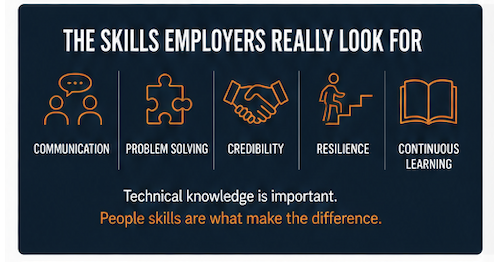
Yes—but it’s important to understand what employers are looking for. A qualification is one part of the picture. Most employers also value:

  • Practical workplace experience.
  • Good communication skills.
  • Problem-solving ability.
  • Professional attitude.
  • Confidence working with people.
  • Continuous learning.

Think of the NEBOSH National General Certificate as providing the foundation on which your career is built. As you gain experience, your confidence and opportunities will continue to grow.

📘 BV Tutor Tip

One of the biggest misconceptions we hear is:

“I’ll finish my course and immediately become a Health and Safety Manager.”

For some people, that may happen. For most, careers develop step by step. Many successful health and safety professionals began as supervisors, team leaders, engineers, warehouse managers or service personnel before moving into dedicated health and safety roles. Don’t underestimate the value of the experience you already have.

How much could I earn?

Salary depends on many factors, including:

  • Location.
  • Industry.
  • Experience.
  • Qualifications.
  • Responsibilities.
  • Size of organisation.

Rather than focusing on a specific salary figure, it’s more helpful to think about the opportunities that become available once you hold a recognised qualification and continue developing professionally.

Many employers list the NEBOSH National General Certificate as either an essential or desirable requirement when advertising health and safety roles. That alone can significantly increase your career options.

Take a look here for the job search engines that we recommend.

Professional Membership

Many learners ask whether they should join a professional body after completing their qualification. Professional membership can provide benefits such as:

As your career develops, you may wish to explore membership options that align with your professional goals.

What’s the next qualification?

Once you’ve achieved the National General Certificate, you have several progression routes depending on your career ambitions.

For example:

Fire Safety

Ideal if you’re responsible for managing fire risks.

Construction

Designed for professionals working within the construction industry.

Environmental Management

Perfect for those with sustainability or environmental responsibilities.

Process Safety Management

Suitable for high-hazard industries such as chemical processing, manufacturing and energy.

Higher-Level Qualifications

As your experience grows, you may decide to progress to diploma-level qualifications or specialist certifications. Learning should always reflect your career objectives rather than simply collecting certificates.

Continuous Professional Development (CPD)

One of the qualities shared by successful health and safety professionals is that they never stop learning.

  • Legislation changes.
  • Guidance evolves.
  • Technology improves.
  • Workplaces become more complex.

Continuous Professional Development (CPD) helps ensure your knowledge remains current and your skills continue to develop throughout your career.

CPD doesn’t always mean formal qualifications. It can include:

Why we’re building the BV Safety Academy

At BV Associates, we don’t believe learning should stop when the course finishes. That’s why we’re investing in the BV Safety Academy.

Our vision is to create one of the UK’s most comprehensive free online health and safety learning libraries. Over time, the Academy will include:

  • Professional study guides.
  • Revision resources.
  • Risk assessment templates.
  • Health and safety policies.
  • Toolbox talks.
  • Career guides.
  • Industry updates.
  • Practical checklists.
  • Downloadable resources.
  • CPD articles.

Our goal is simple. To continue supporting learners throughout their entire professional journey. Whether you’ve just started studying or have decades of experience, we want the Academy to remain a resource you return to again and again.

💡 BV Explains

Imagine learning to play the piano. Passing Grade 1 doesn’t make you a concert pianist. It gives you the skills and confidence to continue improving.

Every lesson afterwards builds on that foundation. Professional development works exactly the same way. Your NEBOSH qualification isn’t the destination. It’s the first major milestone in a career built on continuous learning.

Your career is a journey, not a destination

One of the privileges of working in health and safety is that no two careers are the same.

Some professionals specialise in construction. Others work in aviation, manufacturing, healthcare or education. Some move into consultancy. Others become trainers, auditors or business leaders. The qualification opens the door. Where you choose to go afterwards is entirely up to you.

Chapter 8 – Frequently Asked Questions about NEBOSH courses

If you’ve reached this point, you should have a much clearer understanding of how to compare NEBOSH courses and training providers.

Below are answers to the questions we’re asked most often by prospective learners. Whether you’re researching your first qualification or comparing providers, these answers should help you make an informed decision.

General Questions

What does NEBOSH stand for?

NEBOSH stands for the National Examination Board in Occupational Safety and Health. It is one of the world’s leading awarding organisations for health, safety, environmental and risk management qualifications.

Is a NEBOSH qualification worth it?

For most learners, yes.

A NEBOSH qualification is recognised by employers across a wide range of industries and demonstrates that you understand how to identify hazards, assess risks and contribute to safer workplaces.

Many learners complete a NEBOSH qualification to:

  • Progress their career.
  • Move into health and safety roles.
  • Meet employer requirements.
  • Increase confidence.
  • Improve workplace standards.

Is the National General Certificate the best place to start?

For most people, absolutely. It’s the qualification most commonly requested by employers and provides knowledge that can be applied in almost any workplace.

Cost & Funding

How much do NEBOSH courses cost?

Prices vary depending on:

  • Qualification.
  • Study method.
  • What’s included.
  • Tutor support.
  • Learning resources.

Rather than comparing prices alone, compare the overall learning experience.

Can I pay monthly?

Many providers, including BV Associates, offer payment options to make professional qualifications more accessible. Always ask about available payment plans before booking.

Does my employer have to pay?

No. Many learners fund their own studies because they view the qualification as an investment in their career. However, many employers are happy to fund recognised qualifications where they support business needs.

Can Armed Forces personnel receive funding?

Yes. If you’re eligible, funding may be available through the Enhanced Learning Credits Administration Service (ELCAS). Service leavers may also wish to explore other available funding routes depending on their circumstances. Our team is always happy to discuss available options.

Studying

Is NEBOSH difficult?

It requires commitment, but it isn’t designed to catch learners out.

Learners who:

  • Attend training.
  • Complete revision.
  • Ask questions.
  • Apply concepts to real workplaces.

…generally perform very well.

Understanding is far more important than memorising information.

How much study time should I expect?

Study time depends on experience and learning style. Many learners spend several hours each week studying alongside work or family commitments. Consistency usually produces better results than intensive last-minute revision.

Can I study while working full-time?

Yes. Many learners successfully complete NEBOSH qualifications while working full-time. Live online and distance learning options provide additional flexibility for busy professionals.

Is online learning recognised?

Absolutely. Provided the course is delivered by an approved Learning Partner, employers recognise online and classroom qualifications equally. The qualification awarded is the same.

Is classroom learning better than online?

Neither method is better. Choose the one that suits your preferred learning style. If you enjoy discussion and structure, classroom learning may suit you best. If flexibility is more important, live online or distance learning could be ideal.

Choosing a Provider

Should I choose the cheapest course?

Not necessarily. A lower price may also mean reduced tutor support, fewer learning resources or additional charges later. Always compare value rather than price alone.

What is a Gold Learning Partner?

Gold Learning Partner status recognises providers that consistently demonstrate high standards of learner support, quality assurance and course delivery. Choosing a Gold Learning Partner provides additional confidence when selecting a provider.

Why do learner reviews matter?

Independent reviews provide valuable insight into the real learner experience. Rather than relying solely on marketing, read what previous delegates say about:

  • Tutors.
  • Support.
  • Communication.
  • Course materials.
  • Organisation.

Consistent positive feedback over many years is often one of the strongest indicators of quality.

Should I speak to someone before booking?

Definitely. A good training provider will help you choose the right qualification rather than simply sell you the most expensive course. If they take time to understand your experience, career goals and preferred study method, that’s usually a good sign of the support you’ll receive later.

Career Questions

Can NEBOSH help me change careers?

Many learners use NEBOSH qualifications to move into dedicated health and safety roles. Others strengthen their existing management responsibilities. Every learner’s journey is different.

Will I become a Health and Safety Advisor immediately?

Some learners do. Others develop gradually through experience and additional qualifications. Your existing industry experience is often just as valuable as your qualification.

What qualification should I study next?

That depends on your career goals. Many learners progress to:

Does learning stop after the course?

It shouldn’t. Professional development continues throughout your career. That’s one of the reasons we’ve created the BV Safety Academy—to provide ongoing access to study guides, templates, articles and practical resources that support continuous learning.

Questions you should ask any Training Provider

Before booking, ask:

✓ Are you a Gold Learning Partner?

✓ What’s included in the course fee?

✓ Can I contact my tutor?

✓ What learner support is available?

✓ Are there any additional costs?

✓ Do you offer revision support?

✓ Can I study online?

✓ What do previous learners say?

✓ Will I continue receiving support after the course?

If a provider answers these questions openly and confidently, you’re far more likely to enjoy a positive learning experience.

Still not sure which course is right for you?

That’s perfectly normal. Choosing a professional qualification is an important decision. Rather than making assumptions, speak to an experienced member of our team. We’ll ask about:

  • Your current role.
  • Your experience.
  • Your career ambitions.
  • Your preferred learning style.
  • Funding options.
  • Timescales.

Only then will we recommend the qualification that’s most appropriate for you. Our advice is always based on helping you make the right decision—not simply the quickest sale.

Ready to start your Health & Safety journey?

Whether you’re looking for your first qualification, progressing your career or choosing a training provider for your organisation, we’d be delighted to help.

As a NEBOSH Gold Learning Partner, with more than 20 years of experience, 80+ independent five-star Google reviews, flexible study options and a growing BV Safety Academy, we’re committed to supporting learners before, during and long after their course.

Explore our NEBOSH courses, speak to our team or browse the free resources available through the BV Safety Academy today.

Call 01494 864100.

Return to Academy Home Page
The BV Safety Academy

Health and Safety Careers for Armed Forces Service Leavers

Career Guide | BV Safety Academy

Your environment has changed, but your purpose hasn’t!

By Dean Ferguson, CEO & Head of Learning Partner, BV Associates Limited

Introduction

Screenshot at ..
Return to Academy Home Page

Leaving the Armed Forces is one of the biggest transitions many people will ever experience.

It’s a time filled with opportunity, but it’s also a time of uncertainty. After years of working in an environment where teamwork, leadership and responsibility are part of everyday life, it’s natural to wonder how those experiences will translate into civilian employment.

Having made that journey myself, I understand those thoughts.

One of the questions I hear most often from service leavers is:

“What kind of career would suit the skills I’ve developed in the military?”

For many people, health and safety is a profession they hadn’t previously considered.

Yet when you take a closer look, the connection becomes obvious.

Throughout a military career, you’re constantly assessing risk, following procedures, planning operations, communicating clearly and looking after the people around you. Those aren’t simply military skills.

They’re professional skills.

They’re exactly the qualities that employers value in successful Health and Safety Advisors, Managers and Consultants.

That’s why I’ve always believed that Armed Forces service leavers have an enormous amount to offer the profession.

The challenge isn’t learning how to lead people or make decisions under pressure.

You’ve already done that.

The challenge is recognising how valuable those experiences already are and combining them with the qualifications and knowledge that employers are looking for in civilian industry.

Throughout this guide, I’d like to explain why health and safety can be such a rewarding career after military service, explore the qualifications that help people get started and share some of the lessons I’ve learned since making that transition myself.

Because leaving the Armed Forces doesn’t mean leaving your experience behind. It means taking everything you’ve learned and applying it to a new chapter of your career. And in my experience, that can be an incredibly rewarding journey.

Why Service Leavers Make Excellent Health and Safety Professionals

Screenshot at ..

Whenever I speak to Armed Forces personnel who are approaching the end of their service, I often hear the same concern.

“I’m not sure what employers will see in my experience.”

I understand that feeling because I’ve been there myself.

When you’ve spent years in the military, it’s easy to assume that your experience only makes sense within that environment. Civilian job adverts use different language, different job titles and different qualifications, so it’s natural to wonder whether your skills will translate.

The reality is that they translate remarkably well.

In fact, many of the qualities developed throughout military service are exactly the qualities employers value in successful health and safety professionals.

Think about what you’ve done throughout your career.

You’ve planned activities where safety was critical.

You’ve assessed risks before carrying out tasks.

You’ve worked within systems designed to protect people.

You’ve communicated clearly under pressure.

You’ve led teams, supported colleagues and accepted responsibility for the wellbeing of others.

None of those skills disappear the day you leave the Armed Forces.

They’re carried with you into civilian life.

Health and safety is built on many of those same principles.

It’s about thinking ahead, identifying potential risks before they become problems and making decisions that protect people while allowing organisations to operate effectively. It’s about leadership, communication and professional judgement just as much as it is about legislation and procedures.

One of the things I’ve always admired about military personnel is their ability to remain calm when circumstances become challenging. That ability to assess a situation, gather information and make sensible decisions under pressure is something every good Health and Safety Advisor relies on throughout their career.

Discipline is another strength that shouldn’t be underestimated.

The military develops habits that employers value enormously: professionalism, reliability, attention to detail and personal accountability. Those qualities build trust, and trust is one of the most important assets a Health and Safety Advisor can have.

Of course, there will be new things to learn.

Civilian legislation, industry standards and recognised qualifications all form part of the transition. But learning those things is very different from learning how to lead people or make sound decisions. In many respects, you’ve already mastered the more difficult part.

What you’re really doing is adapting existing skills to a new environment.

That’s an important shift in perspective.

You’re not starting again.

You’re building on years of experience that have already shaped the way you think, work and lead others.

When I look back over the people I’ve trained, some of the most effective health and safety professionals I’ve met have been former members of the Armed Forces.

Not because of the uniform they once wore.

But because of the values, professionalism and commitment they carried with them long after they left it behind.

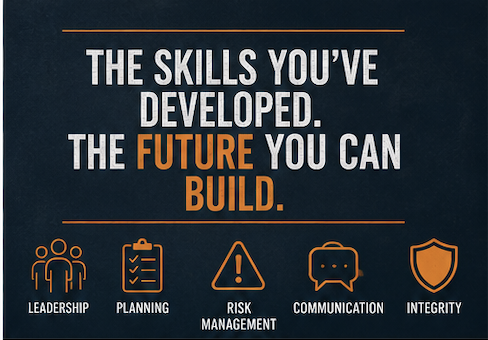
The Skills You’ve Already Developed

Screenshot at ..

One of the biggest mistakes I see service leavers make is underestimating the value of the skills they’ve developed during their military career.

That’s understandable.

When you’ve spent years in the Armed Forces, many of those skills become second nature. You stop thinking of them as specialist abilities because they’ve simply become part of the way you work.

The challenge comes when you begin looking at civilian job descriptions.

You read terms such as leadership, risk management, communication, planning and stakeholder engagement and assume employers are looking for something completely different.

In reality, you’ve probably been demonstrating those qualities for years.

Leadership is perhaps the most obvious example.

Whether you’ve been responsible for a small team or managed larger groups of personnel, you’ll understand how to motivate people, communicate expectations clearly and maintain high standards. Those are exactly the qualities employers expect from Health and Safety Advisors who need to influence people across every level of an organisation.

Risk management is another area where military experience transfers naturally.

Throughout your service, you’ve been trained to identify hazards, assess potential consequences, consider control measures and make informed decisions before work begins. Although the environments may change, the thought process remains remarkably similar.

Planning is equally valuable.

Successful military operations rely on preparation, coordination and attention to detail. Health and safety professionals approach their work in much the same way. Whether planning a construction project, reviewing a contractor’s method statement or developing safe systems of work, careful planning is at the heart of preventing incidents and protecting people.

Communication is another strength that employers consistently value.

In health and safety, your ability to explain complex information clearly can often be just as important as your technical knowledge. You’ll need to speak with site operatives, supervisors, senior managers, contractors and clients, adapting your communication style to suit each audience. If you’ve spent your career briefing teams, delivering instructions or coordinating activities under pressure, you’ll already appreciate the importance of clear, confident communication.

Then there are the qualities that don’t always appear on a CV but make an enormous difference in the workplace.

Professionalism.

Integrity.

Reliability.

Accountability.

The ability to remain calm under pressure.

The willingness to lead by example.

These are characteristics that can’t be taught in a classroom, yet they’re often the very qualities that earn respect and build trust within an organisation.

When I speak to employers, they rarely tell me they’re looking for someone who knows every regulation by heart.

They tell me they’re looking for someone they can trust.

Someone who communicates well.

Someone who makes sensible decisions.

Someone who remains professional when situations become challenging.

Those qualities have been part of military life for generations.

The qualification helps you understand civilian health and safety.

Your military experience provides the character and judgement to apply that knowledge effectively.

That’s a combination employers value far more than many service leavers realise.

Qualifications That Help You Transition

Screenshot at ..

Once you’ve recognised how many of your existing skills transfer into health and safety, the next step is developing the industry knowledge and qualifications that employers expect to see.

For many Armed Forces service leavers, this is where the transition really begins.

The good news is that you’re not learning how to lead people, assess risk or make decisions under pressure. You’ve already developed those skills throughout your military career.

What you’re learning is how those same principles apply within civilian workplaces.

For most people entering the profession, the NEBOSH National General Certificate is the qualification I recommend first.

There are several reasons for that.

It’s recognised by employers across the UK and internationally, making it one of the strongest foundations for anyone looking to build a career in health and safety. More importantly, it provides a broad understanding of health and safety management that can be applied across almost every industry, whether your future lies in construction, manufacturing, engineering, logistics, facilities management or the public sector.

One of the things I often tell service leavers is not to be intimidated by returning to study.

It’s perfectly normal to feel apprehensive if you’ve been away from formal education for a number of years.

I’ve taught countless learners who felt exactly the same.

Many arrived convinced they weren’t academic enough or worried they wouldn’t cope with the assessment. Within a few days, they realised that success wasn’t about having the best memory.

It was about understanding the principles.

That’s something military personnel are often very good at.

Throughout your service you’ve learned procedures by understanding why they exist, not simply by memorising them. Health and safety works in much the same way. Once you understand the reasoning behind good practice, applying it becomes far more natural.

As your career develops, you may choose to specialise further.

Some professionals move into construction health and safety, others develop expertise in fire safety, occupational health, environmental management or consultancy. The important thing is not to worry about every future qualification before you’ve completed your first one.

Build strong foundations.

Gain experience.

Continue learning.

That’s the approach I’ve always encouraged because it creates confident professionals rather than people who simply collect certificates.

Remember, qualifications don’t replace the experience you’ve gained in the Armed Forces.

They translate it into a language that civilian employers immediately recognise.

Combined with your leadership, discipline and operational experience, they become a powerful platform for building a successful second career.

For many service leavers, the qualification is simply the bridge between the career they’ve completed and the career they’re about to begin.

What Employers Are Really Looking For

Screenshot at ..

One of the biggest misconceptions among service leavers is that employers are searching for someone who ticks every box on a job description.

In reality, that’s rarely how recruitment works.

Of course, qualifications matter. Experience matters too. But when employers are looking to recruit a Health and Safety Advisor, they’re often looking beyond the CV. They’re asking themselves a much more important question.

“Can I trust this person?”

Trust sits at the heart of every successful health and safety role.

The people responsible for protecting others need to be dependable, professional and capable of making sound decisions, particularly when situations become challenging. Those qualities can’t be demonstrated by a certificate alone. They’re developed through experience, personal values and the way someone approaches their work.

This is one of the reasons I believe Armed Forces service leavers have so much to offer.

Throughout military service, trust isn’t something that’s earned overnight. It’s built through consistency, reliability and accountability. You learn that your actions affect the people around you, and that decisions often need to be made calmly, professionally and with the wider team in mind.

Those same qualities are highly valued in civilian organisations.

Employers are also looking for people who can communicate effectively.

A Health and Safety Advisor needs to work with people at every level of an organisation. One moment you might be speaking to someone working on the shop floor, the next you could be presenting recommendations to senior management. Being able to adapt your communication style, explain your reasoning clearly and build positive working relationships is every bit as important as understanding legislation.

Another quality employers value is practical judgement.

Health and safety isn’t about quoting regulations at every opportunity. It’s about understanding how work is carried out, recognising where things could go wrong and helping people find sensible, workable solutions that protect both individuals and the organisation.

That’s where military experience often provides an advantage.

You’ve already spent years assessing situations, considering risks and making decisions under pressure. The environment may be different, but the thought process is remarkably familiar.

Perhaps the most important quality of all is attitude.

Every employer wants people who are willing to learn, develop and contribute positively to their organisation. Qualifications can be gained, and experience grows with time, but a positive attitude, professional standards and a genuine desire to help others are qualities that employers consistently value.

I’ve interviewed and worked with many people throughout my career, and one thing has always stood out.

The strongest candidates aren’t necessarily the ones with the longest list of qualifications.

They’re the ones who demonstrate professionalism, integrity and a willingness to keep learning.

Those qualities leave a lasting impression.

And if you’ve developed them during your military career, you’re already bringing something incredibly valuable to the profession.

The qualification may help you secure the interview.

Your character is often what secures the opportunity.

What I Wish I’d Known When I Left the Army

Screenshot at ..

If I could sit down with my younger self on the day I left the Army, I don’t think we’d spend much time talking about qualifications.

I’d probably talk about confidence.

Like many people leaving the Armed Forces, I underestimated what I had to offer. I’d spent years working in an environment where leadership, discipline, planning and teamwork were simply part of everyday life. They weren’t things I thought about because they were normal. It never occurred to me that employers would see those qualities as strengths because I’d never had to describe them before.

That’s one of the biggest challenges service leavers face. You’re so used to doing the job that you don’t always recognise the value of what you’ve been doing. It takes time to realise that the decisions you’ve made, the responsibility you’ve carried and the people you’ve led have all shaped you into someone with skills that organisations genuinely need. Looking back now, I also wish I’d understood that it was perfectly acceptable not to have all the answers.

Leaving the military can feel like stepping into an unfamiliar world. New industries, new terminology and different ways of working can sometimes make you question whether you’ve made the right decision.

Those feelings are completely normal. They don’t mean you’re unprepared.

They simply mean you’re entering a new chapter of your life.

One of the things that helped me most was accepting that I didn’t have to prove myself on the first day. I just had to keep learning.

Every conversation taught me something.

Every course added another piece to the puzzle.

Every new challenge built a little more confidence.

Looking back, I realise that my military career hadn’t ended. It had prepared me for what came next.

Health and safety gave me an opportunity to continue doing something I’d always valued.

Helping people.

Protecting people.

Leading people.

The environment had changed, but the purpose hadn’t.

If you’re approaching the end of your service, I’d encourage you not to focus on everything that’s unfamiliar.

Instead, take a moment to recognise everything you’ve already achieved.

The leadership you’ve demonstrated.

The responsibility you’ve accepted.

The resilience you’ve developed.

The standards you’ve maintained.

Those things don’t disappear when you hand back your uniform. They become part of who you are. The next chapter of your career won’t ask you to become someone different. It will simply ask you to apply those qualities in a different environment.

Believe in your experience.

Be prepared to keep learning.

One Final Piece of Advice

Screenshot at ..

If you’ve read this guide because you’re preparing to leave the Armed Forces, I’d like to leave you with one final thought.

Don’t judge your future by what you haven’t done.

Judge it by everything you’ve already achieved.

One of the biggest challenges when leaving military service is learning to recognise your own value in a completely different environment. You’ve spent years surrounded by people who understand the language, the structure and the responsibilities that come with military life. Stepping into civilian employment can make it feel as though you’re starting again.

You’re not.

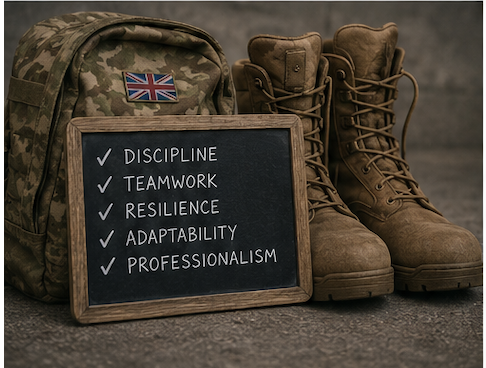
You’re taking years of leadership, discipline, teamwork, planning and professional judgement into a new chapter of your career.

The challenge isn’t developing those qualities.

The challenge is believing they matter.

I genuinely believe health and safety is one of the professions where military experience is most naturally recognised. It values people who think before they act, who remain calm under pressure, who understand responsibility and who genuinely care about protecting others.

Those qualities can’t be taught overnight. You’ve spent years developing them.

The qualifications you gain after leaving the Armed Forces don’t replace that experience. They simply help civilian employers understand it.

If you’re still unsure whether health and safety is the right career for you, my advice is simple.

Talk to people already working in the profession.

Ask questions.

Visit workplaces.

Find out what the role is really like rather than relying on assumptions.

The more you learn, the more confident your decision will become.

And remember this.

No one leaves the Armed Forces with all the answers.

We all start the next chapter with questions. What matters is having the confidence to take that first step.

Looking back, I don’t think the best decision I made after leaving the Army was choosing a particular qualification or accepting a particular job.

It was deciding to keep moving forward. Everything else followed from that.

So, if you’re standing at the beginning of your own transition, don’t focus on what you’re leaving behind.

Focus on what you’re taking with you.

Your experience.

Your values.

Your professionalism.

Your resilience.

Those qualities have already been earned. Now it’s time to put them to work in a new way. Your military career has shaped who you are. It doesn’t define what you’re capable of becoming.

And if health and safety is the path you choose, I think you’ll discover something many of us have already learned. Looking after people never stops being worthwhile. It simply takes on a different uniform.

One day you’ll look back, just as I do now, and realise that leaving the Army wasn’t the end of your journey. It was the beginning of another one.

Ready to Take the Next Step?

Whether you’re starting your health and safety journey or looking to progress your career, we’re here to help.

📞 01494 864100

✉ info@bvassociates.co.uk

Return to Academy Home Page
The BV Safety Academy

How to Become a Health and Safety Advisor

Career Guide | BV Safety Academy

By Dean Ferguson, CEO & Head of Learning Partner, BV Associates Limited
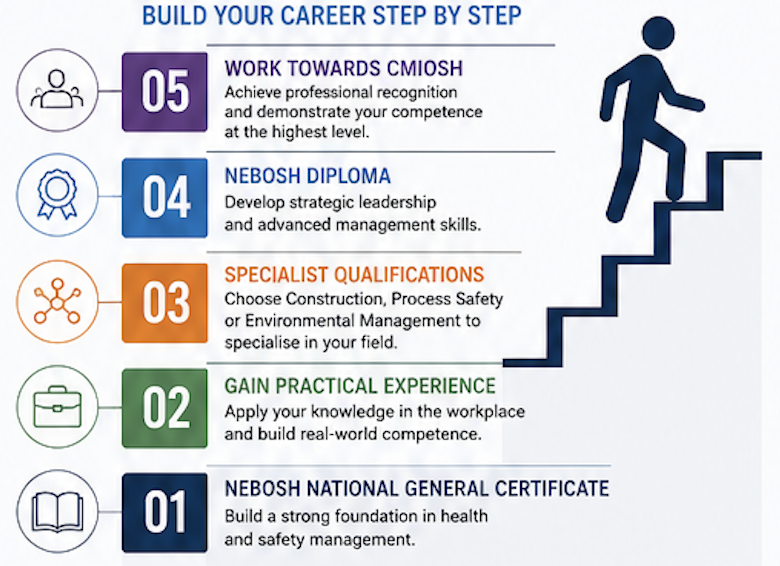
Return to Academy Home Page

Introduction

Every year I speak to people who tell me they’re thinking about a career in health and safety.

Some have worked in construction for twenty years and are looking for a new challenge. Others are supervisors or managers who enjoy helping people and want to build on the experience they’ve already gained. I also meet Armed Forces service leavers who are looking for a profession where leadership, communication and risk management are genuinely valued.

Despite their different backgrounds, almost all of them ask the same question.

“How do I become a Health and Safety Advisor?”

The interesting thing is that very few of them are really asking about the job title.

What they’re actually asking is whether they have the experience, the ability and the opportunity to build a successful career in a completely different profession.

The answer, in many cases, is yes.

Health and safety is one of the few professions where practical experience is every bit as valuable as academic knowledge. Employers are looking for people who can communicate effectively, influence others, solve problems and make sensible decisions. Those qualities are developed over years of working with people, leading teams and managing real situations.

Qualifications are an important part of that journey, but they’re only one part.

Experience gives you context.

Learning helps you understand the principles.

Together, they build competence.

Throughout this guide, I’d like to explain the typical route into the profession, the qualifications employers look for and, perhaps more importantly, the personal qualities that make someone successful in a health and safety role.

Because becoming a Health and Safety Advisor isn’t simply about changing jobs.

It’s about building a career that allows you to make a positive difference every single day.

What Does a Health and Safety Advisor Actually Do?

Screenshot at ..

When people hear the title Health and Safety Advisor, they often picture someone carrying out inspections, completing paperwork or reminding people about rules and regulations.

While those activities certainly form part of the role, they only tell a small part of the story.

In reality, a good Health and Safety Advisor is a problem solver, a communicator and, perhaps most importantly, a trusted source of advice. Their role is to help organisations create environments where people can work safely, confidently and productively. That means understanding how businesses operate, recognising where risks exist and working alongside managers and employees to find practical solutions that protect people without unnecessarily restricting the work that needs to be done.

One of the things I enjoy most about health and safety is that no two days are ever quite the same.

You might spend one morning carrying out a workplace inspection, the afternoon supporting a manager with a risk assessment and the following day delivering training to a group of supervisors. The role constantly changes because every workplace, every project and every team presents different challenges.

That’s one of the reasons so many people enjoy working in the profession.

It’s varied.

It’s practical.

And it gives you the opportunity to make a genuine difference.

Over the years I’ve worked with Health and Safety Advisors across construction, manufacturing, engineering, logistics, healthcare, education, local government and many other industries. Although their working environments were very different, they all had something in common.

They weren’t there to tell people what they couldn’t do.

They were there to help people find safer ways of doing what needed to be done.

I think that’s an important distinction because it changes the way people view the profession. The best Health and Safety Advisors don’t build barriers between safety and productivity. They help organisations achieve both by encouraging sensible decision-making, good planning and effective communication.

Strong relationships are also an essential part of the role.

A Health and Safety Advisor needs to earn the trust of managers, employees and contractors. That means listening as much as talking, understanding the practical realities of the workplace and offering advice that’s realistic, proportionate and achievable.

In many ways, the role is as much about people as it is about health and safety.

Technical knowledge is important, but the ability to communicate clearly, influence others and build positive working relationships is often what separates a good advisor from an outstanding one.

That’s why I believe the profession attracts such a wide range of people.

If you enjoy helping others, solving problems and making a positive contribution to the organisations you work with, a career as a Health and Safety Advisor can be both professionally rewarding and personally fulfilling.

For me, that’s what the role has always been about.

Helping people go home safely at the end of the day while supporting businesses to succeed.

Do You Need Previous Experience?

Screenshot at ..

One of the biggest concerns people have when considering a career in health and safety is whether they already need experience in the profession before they can get started.

It’s a question I’m asked regularly, and the answer often surprises people.

No, you don’t need to have worked as a Health and Safety Advisor before you begin building a career in health and safety.

What you do need is experience that can be transferred into the role.

Throughout my career, I’ve met people from almost every industry imaginable who have gone on to build successful careers in health and safety. Construction supervisors, engineers, production managers, warehouse team leaders, facilities managers, military personnel, emergency service workers and business owners have all brought valuable experience with them. Although their job titles were different, many of the skills they had developed over the years were exactly the skills employers were looking for.

Think about the responsibilities you’ve had during your own career.

Have you supervised people?

Carried out inspections?

Investigated incidents?

Delivered training?

Planned work?

Managed contractors?

Solved problems under pressure?

If the answer is yes to any of those questions, you’ve already developed skills that are highly relevant to health and safety.

One of the biggest mistakes people make is assuming they have to start from the beginning.

In reality, most people don’t.

They already possess many of the qualities that make an effective Health and Safety Advisor. What they often lack is the recognised qualification and the broader understanding of health and safety management that allows them to bring those existing skills together.

That’s why qualifications such as the NEBOSH National General Certificate are so valuable.

They don’t replace your experience.

They help you build on it.

I’ve always believed that the strongest Health and Safety Advisors are those who understand the realities of the workplace because they’ve experienced them first-hand. They’ve managed difficult conversations, worked to tight deadlines, balanced competing priorities and learned how to communicate with people from different backgrounds.

Those experiences can’t be taught in a classroom.

They’ve already become part of who you are.

Learning simply helps you view them through a different lens.

One group that consistently demonstrates this is Armed Forces service leavers.

Having made that transition myself, I understand how easy it is to underestimate the value of military experience. Leadership, planning, teamwork, discipline, communication and risk management are qualities developed every day in the Armed Forces. The challenge isn’t developing those skills.

It’s recognising how transferable they already are.

The same is true for many people outside the military.

You’ve probably developed far more relevant experience than you realise.

The next step isn’t starting again.

It’s building on the foundations you’ve already created.

That’s why I encourage people not to focus on what they haven’t done.

Instead, take a moment to recognise everything you already bring to the profession.

You may be closer to your goal than you think.

Qualifications That Help You Get Started

Screenshot at ..

Once people realise they already have many of the transferable skills needed to work in health and safety, the next question is usually about qualifications.

“Where do I start?”

The answer depends on your experience, your current role and where you want your career to take you. However, for many people considering a career as a Health and Safety Advisor, the NEBOSH National General Certificate remains the qualification I recommend most often.

There are several reasons for that.

First, it’s recognised by employers across a wide range of industries. Whether you’re applying for roles in construction, manufacturing, engineering, logistics, healthcare or the public sector, you’ll regularly see the National General Certificate listed as either an essential or desirable qualification.

Secondly, it provides a broad understanding of health and safety management rather than focusing on a single industry. That flexibility is valuable because careers often develop in unexpected ways. You may begin working in one sector before discovering opportunities in another, and a qualification that supports movement between industries gives you greater choice throughout your career.

Just as importantly, the General Certificate helps you develop the way you think about health and safety. It isn’t simply about learning legislation or completing risk assessments. It’s about understanding why accidents happen, how risks can be managed sensibly and how good health and safety contributes to successful organisations.

For learners with more specialist ambitions, there are additional qualifications that may become relevant as their careers progress. Construction professionals, for example, often choose to study the NEBOSH Health and Safety Management for Construction qualification, while those working in high-hazard industries may later move into Process Safety or other specialist areas.

The important thing is not to feel that you have to complete every qualification available.

Professional development isn’t a race.

Each qualification should have a purpose and support the next stage of your career. I’ve always encouraged learners to build strong foundations before looking towards more specialist or advanced study. In my experience, that approach produces confident professionals who understand not only what to do, but why they’re doing it.

Qualifications open doors.

Experience helps you walk through them.

Together, they provide the platform on which successful careers are built.

If you’re just beginning your journey, focus on gaining a recognised qualification that develops your understanding and complements the experience you already have. Once you’ve done that, the next steps often become much clearer because you’ll have both the confidence and the knowledge to recognise new opportunities as they arise.

The Skills Employers Really Look For

Screenshot at ..

Qualifications will almost certainly help you get an interview, but they’re rarely the reason someone is offered the job.

Over the years I’ve spoken with countless employers, recruitment specialists and health and safety leaders, and the conversations almost always come back to the same point. Technical knowledge is important, but it’s only one part of what makes an effective Health and Safety Advisor.

The people who thrive in the profession are those who can build relationships.

Health and safety is, above all else, about working with people. You can have an excellent understanding of legislation and risk management, but if you can’t communicate your ideas clearly or gain the trust of those around you, it becomes much harder to influence behaviour and create lasting improvements.

Communication is therefore one of the most valuable skills you can develop.

A good Health and Safety Advisor knows how to explain complex subjects in a way that people understand. They listen before they speak, ask thoughtful questions and adapt their approach depending on whether they’re talking to a site operative, a supervisor or a company director.

Problem-solving is equally important.

Every workplace is different, and no two situations are ever exactly the same. Employers value people who can assess a situation objectively, identify the underlying issues and recommend practical solutions that protect people while allowing the business to operate effectively.

Another quality I believe is often overlooked is credibility.

Credibility isn’t created by a certificate hanging on the wall. It’s earned through honesty, consistency and professionalism. People are far more likely to accept advice from someone who understands the realities of their work and takes the time to explain the reasons behind their recommendations.

I’ve always believed that the best Health and Safety Advisors spend more time asking questions than giving answers.

They take the time to understand how work is actually carried out before suggesting improvements. They recognise that the people doing the job every day often have valuable insights, and by involving them in the conversation they build solutions that are both practical and sustainable.

Employers also value resilience.

Not every recommendation will be accepted immediately, and not every conversation will be straightforward. There will be occasions when you need to challenge unsafe practices, influence reluctant stakeholders or explain why change is necessary. The ability to remain professional, respectful and persistent is one of the defining characteristics of successful advisors.

Finally, employers look for people who never stop learning.

Health and safety is constantly evolving. New technologies emerge, legislation develops and industries adopt different ways of working. The professionals who continue to grow are those who remain curious, keep developing their knowledge and are willing to learn from every experience they encounter.

When I think about the outstanding Health and Safety Advisors I’ve met throughout my career, they all share something in common.

They happen to know health and safety.

But they’re exceptional because they understand people.

For me, that’s the difference between someone who works in health and safety and someone who truly makes a positive impact through it.

A Typical Career Path

Screenshot at ..

One of the things I enjoy most about working in health and safety is that there isn’t a single route to success.

Unlike some professions, where the career ladder is rigidly defined, health and safety offers a wide range of opportunities across almost every industry. Whether you want to work in construction, manufacturing, engineering, healthcare, logistics, education or the public sector, the principles remain the same, even though the environments may be very different.

For many people, the journey begins with a role as a Health and Safety Advisor.

This is where you develop practical experience, learn how organisations operate and begin applying the knowledge you’ve gained through your qualifications. It’s often the stage where confidence grows the fastest because every day presents new opportunities to solve problems, work with different people and see the positive impact of your advice.

As your experience develops, opportunities naturally begin to open up.

Some advisors move into Senior Health and Safety Advisor positions, taking responsibility for larger sites, more complex projects or mentoring junior colleagues. Others progress into Health and Safety Manager roles, where leadership becomes an increasingly important part of the job. At this stage, you’re often responsible not only for advising others but also for developing strategy, influencing senior leaders and helping shape the organisation’s overall approach to health and safety.

For some professionals, the journey continues even further.

Head of Health and Safety, Health and Safety Director and Consultancy roles all become realistic career options as knowledge, experience and professional credibility continue to grow. Some people choose to specialise in areas such as construction, occupational health, fire safety or process safety, while others enjoy working across multiple industries as consultants, helping different organisations solve different challenges.

One of the most rewarding aspects of this profession is that your career doesn’t have to stand still.

The more experience you gain, the more opportunities tend to appear. Every project, every workplace and every conversation adds to your professional judgement, making you more confident and more capable with each passing year.

I’ve also seen many learners use health and safety as a foundation for wider leadership roles.

The skills developed throughout a career in health and safety—communication, influencing, strategic thinking, risk management and leadership—are valued far beyond the profession itself. It’s not uncommon to see experienced health and safety professionals move into operational leadership, compliance, quality, environmental management or senior executive positions because the skills they’ve developed are so widely transferable.

That’s one of the reasons I enjoy encouraging people to enter the profession.

You’re not simply choosing your next job.

You’re opening the door to a career that can continue evolving for decades.

Exactly where that journey takes you will depend on your ambitions, your interests and the opportunities you choose to pursue.

But if you’re committed to continuous learning and willing to embrace new challenges, health and safety can offer a career that’s both professionally rewarding and personally fulfilling.

And in my experience, that’s a combination that’s hard to find.

One Final Piece of Advice

Screenshot at ..

If you’re reading this because you’re thinking about becoming a Health and Safety Advisor, I’d like to leave you with one final thought.

Don’t spend too much time wondering whether you’re the right sort of person for the profession.

Instead, ask yourself a different question.

Do you enjoy helping people?

Do you like solving problems?

Do you want to make a positive difference in the workplace?

If the answer to those questions is yes, then you’re already demonstrating some of the qualities that matter most.

Everything else can be learned.

Throughout my career I’ve watched people from every imaginable background build successful careers in health and safety. Some came from construction, others from manufacturing, engineering, the Armed Forces, local government or logistics. They didn’t all have the same qualifications, and they certainly didn’t all follow the same route into the profession.

What they did have was a willingness to learn.

They were curious.

They asked questions.

They listened to people.

They accepted that becoming a good Health and Safety Advisor wasn’t about having all the answers. It was about developing the confidence and judgement to ask the right questions and work with others to find practical solutions.

That’s something no qualification can teach on its own.

Knowledge is important, but it’s only one part of the profession.

Experience matters.

Character matters.

Integrity matters.

The way you treat people matters.

When those qualities are combined with recognised qualifications and a commitment to continuous learning, that’s when careers really begin to flourish.

If you decide this is the path you want to follow, don’t feel you have to know everything before you begin.

None of us did.

Every experienced Health and Safety Manager, Director or Consultant was once sitting exactly where you are now, wondering whether they were making the right decision.

The difference is that they took the first step.

One course.

One opportunity.

One conversation.

Looking back over my own career, one thing has become very clear.

The people who achieve the most aren’t always the most experienced or the most qualified.

They’re the people who keep learning.

So, if you’re thinking about becoming a Health and Safety Advisor, my advice is simple.

Believe in the experience you’ve already gained.

Invest in the knowledge you still need.

Stay curious throughout your career.

And never underestimate the positive impact you can have on the lives of other people.

Because at its heart, health and safety has never really been about legislation or paperwork.

It’s always been about people.

And that’s what makes it such a rewarding profession.

Ready to Take the Next Step?

Whether you’re starting your health and safety journey or looking to progress your career, we’re here to help.

📞 01494 864100

✉ info@bvassociates.co.uk

Return to Academy Home Page
The BV Safety Academy

NEBOSH or IOSH – Which Qualification Should You Choose?

Career Guide | BV Safety Academy

Different Purposes. Different Outcomes.

By Dean Ferguson, CEO & Head of Learning Partner, BV Associates Limited

Return to Academy Home Page

Introduction

Screenshot at ..

One of the questions I’m asked most frequently by people beginning their health and safety journey is whether they should study an IOSH course or a NEBOSH qualification.

It’s an understandable question, particularly when you’re investing your own time and money. Before committing to any professional development, it’s only natural to want reassurance that you’re making the right decision.

What often surprises people is that I don’t answer by telling them which one is better.

Because there isn’t a simple answer.

The truth is that IOSH and NEBOSH exist for different purposes. They complement one another rather than compete with one another, and understanding that distinction makes choosing the right learning pathway much easier.

Throughout my career, I’ve taught learners from every stage of professional development. Some wanted a basic understanding of workplace health and safety, others were preparing for management responsibilities, while many were taking the first steps towards a dedicated career in health and safety.

The advice I gave each of them was slightly different because their ambitions were different.

That’s why I believe the first question shouldn’t be, “Which qualification is better?”

It should be, “What am I hoping to achieve?”

Once you’ve answered that question, the decision often becomes much clearer.

In this guide, we’ll look at the purpose of IOSH and NEBOSH , explain where each fits within professional development and help you decide which option best supports your own career aspirations.

Because choosing the right qualification isn’t about following what someone else did.

It’s about choosing the pathway that’s right for you.

Understanding the difference between IOSH and NEBOSH

Screenshot at ..

One of the reasons people struggle to choose between IOSH and NEBOSH is because they’re often compared as though they offer the same thing.

They don’t.

Although both organisations play an important role in improving health and safety standards, they were created with different purposes in mind. Understanding that distinction is the key to choosing the learning pathway that’s right for you.

IOSH courses are generally designed to raise awareness and develop practical understanding of health and safety responsibilities within the workplace. They’re particularly valuable for employees, supervisors and managers who need to understand their role in creating safe working environments but who may not require an in-depth professional qualification.

NEBOSH qualifications, on the other hand, are designed to develop a broader and deeper understanding of health and safety management. They explore not only what should be done, but why particular approaches are effective and how they can be applied in a wide variety of workplace situations. That’s one of the reasons NEBOSH qualifications are recognised so widely by employers across different industries.

That doesn’t mean one is better than the other.

It simply means they’re designed to achieve different outcomes.

I often explain it by thinking about the people sitting in my classroom.

Some learners want to understand their responsibilities as a manager so they can lead their teams more effectively and create a safer working environment. For many of those people, an IOSH course provides exactly the knowledge they need.

Others arrive because they’re looking to build a career in health and safety, strengthen their professional credentials or prepare for roles that carry greater responsibility. In those circumstances, a NEBOSH qualification is often the more appropriate choice because it provides a much deeper understanding of health and safety management principles.

The important thing is not to ask which qualification is more prestigious.

Ask which qualification is more appropriate for your goals.

Throughout my career, I’ve found that’s a far more useful conversation because it focuses on the individual rather than the qualification.

Professional development isn’t about collecting certificates.

It’s about developing the knowledge and confidence you need to perform your role effectively and continue growing throughout your career.

Once you begin looking at IOSH and NEBOSH in that way, the decision becomes much less confusing.

They’re not competing pathways.

They’re different stages of learning that often complement each other remarkably well.

What is IOSH designed for?

One of the biggest strengths of IOSH courses is that they’re designed to make health and safety accessible.

Not everyone wants to become a Health and Safety Advisor, and not everyone needs an in-depth professional qualification. Many people simply need the knowledge and confidence to manage health and safety effectively within their own role, whether that’s supervising a team, managing a department or running a business.

That’s exactly where IOSH courses add value.

Programmes such as Working Safely and Managing Safely are designed to introduce the key principles of health and safety in a practical and straightforward way. Rather than exploring legislation in significant depth, they focus on helping people recognise hazards, understand their responsibilities and make better day-to-day decisions in the workplace.

Throughout my career, I’ve met countless managers who never intended to specialise in health and safety, yet still carried significant responsibility for the wellbeing of their teams. For those individuals, an IOSH course often provides the right level of knowledge without requiring the greater depth of study associated with professional qualifications.

Business owners also benefit from this approach.

Running a successful business involves making decisions every day that affect employees, contractors and visitors. Having a sound understanding of health and safety helps leaders create safer workplaces, reduce risk and demonstrate a genuine commitment to protecting the people who work for them.

What I particularly like about IOSH courses is that they encourage people to see health and safety as part of good management rather than a separate function carried out by someone else. They help supervisors and managers understand that creating a safe workplace isn’t simply about compliance. It’s about leadership, communication and making sensible decisions that support both people and business performance.

That said, it’s important to understand the purpose of these courses.

IOSH programmes are not intended to replace professional qualifications such as the NEBOSH National General Certificate. They serve a different role by building awareness and confidence rather than providing the broader depth of knowledge expected from someone pursuing a dedicated health and safety career.

For many people, an IOSH course is exactly the right place to begin.

It provides practical knowledge, develops confidence and gives learners a stronger understanding of the role they play in creating safe workplaces.

For others, it becomes the first step on a longer learning journey that eventually leads to NEBOSH qualifications and further professional development.

Neither pathway is right or wrong.

The important thing is choosing the one that supports your current responsibilities and your future ambitions.

What is NEBOSH designed for?

Screenshot at ..

Where IOSH courses are designed to build awareness and confidence, NEBOSH qualifications are intended to develop a much deeper understanding of health and safety management. They don’t simply explain what good practice looks like; they encourage learners to understand why it matters and how those principles can be applied in a wide variety of workplace situations.

That’s one of the reasons NEBOSH qualifications have become so widely recognised by employers, both in the UK and internationally.

Throughout my career, I’ve taught supervisors taking their first steps into health and safety, experienced managers looking to broaden their responsibilities and professionals preparing for dedicated health and safety roles. Although their backgrounds were very different, they all shared a common goal. They wanted to develop knowledge that would make them more effective in the workplace and support their long-term career development.

The NEBOSH National General Certificate has remained the starting point for many of those journeys because it provides a broad understanding of health and safety management that can be applied across almost every industry. Whether you work in construction, manufacturing, engineering, logistics, healthcare or the public sector, the principles remain remarkably consistent.

What makes NEBOSH particularly valuable is that it encourages learners to think critically.

Rather than memorising legislation or following checklists, learners are asked to analyse situations, identify risks, evaluate controls and justify their recommendations. Those are exactly the skills employers look for because they demonstrate the ability to make informed decisions rather than simply follow procedures.

Over the years, I’ve found that many learners begin the course expecting to gain knowledge. What often surprises them is how much confidence they develop along the way. As their understanding grows, they become more comfortable contributing to discussions, influencing colleagues and making decisions that improve health and safety within their organisations.

That’s why I often describe NEBOSH as more than a qualification.

It’s a foundation for professional development.

For people who are considering a career in health and safety, the National General Certificate is often the qualification employers ask for when recruiting. For those already working in management or supervisory positions, it provides recognised evidence that their practical experience is supported by structured learning and professional knowledge.

That combination is incredibly powerful.

Experience tells you what has worked in the past.

Learning helps you understand why it worked and how those principles can be applied in the future.

When those two things come together, they build competence.

And ultimately, that’s what employers are looking for.

Not someone who has simply passed an assessment, but someone who has developed the confidence, knowledge and professional judgement to make a positive difference in the workplace.

Which one do I recommend?

Screenshot at ..

After reading this far, you may still be hoping I’ll give you a straightforward answer and simply tell you whether to choose IOSH or NEBOSH.

The truth is, I wouldn’t be doing my job properly if I did.

One of the first things we do when someone contacts BV Associates is ask a few questions. We want to understand where they are in their career, what responsibilities they currently have and what they hope to achieve in the future. Only then can we recommend the learning pathway that’s most appropriate for them.

I’ve always believed that professional development should be tailored to the individual rather than the qualification.

For someone who’s recently become a supervisor or manager and wants a practical understanding of their health and safety responsibilities, an IOSH course may be exactly what’s needed. It provides valuable knowledge, builds confidence and helps people become more effective leaders without requiring the greater depth of study associated with a professional qualification.

On the other hand, if someone tells me they’re looking to build a career in health and safety, strengthen their professional credentials or prepare for roles with greater responsibility, my recommendation is usually different.

That’s where the NEBOSH National General Certificate comes into its own.

It provides the broader knowledge and recognised professional standing that many employers look for when recruiting health and safety practitioners, advisors and managers. More importantly, it gives learners a solid foundation that they can continue building on throughout their careers.

There are also many people who don’t fit neatly into either category.

Some business owners begin with IOSH because they want a practical understanding of their responsibilities, then later decide to study NEBOSH as their business grows and their confidence develops. Others complete an IOSH course, discover they enjoy the subject and realise they want to take their learning much further.

That’s why I don’t see IOSH and NEBOSH as competing qualifications.

I see them as different stages within a much broader learning journey.

The most important decision isn’t choosing the course with the biggest name or the highest perceived status.

It’s choosing the course that helps you take your next step with confidence.

If you’re still unsure which option is right for you, don’t feel you have to make the decision alone.

One conversation is often enough to identify the pathway that best matches your experience, your ambitions and the direction you want your career to take.

That’s certainly how we’ve always approached it, and I believe it’s the best way to ensure people invest their time and money wisely.

At the end of the day, the right qualification is the one that helps you become better at what you do today while opening doors for tomorrow.

For me, that’s always been the most important measure of success.

Can you study both?

Screenshot at ..

One of the questions that often follows a discussion about IOSH and NEBOSH is whether you have to choose one or the other.

The simple answer is no.

In fact, throughout my career I’ve worked with many learners who have completed both, each qualification supporting a different stage of their professional development.

Learning isn’t always a straight line. Careers change, responsibilities increase and opportunities appear that you hadn’t planned for when you first started. As those changes happen, the knowledge you need also evolves.

Someone who has recently been promoted into a supervisory role may begin with an IOSH course because they want to understand their responsibilities and become more confident in managing their team. That knowledge often provides exactly what they need at that point in their career.

A few years later, the same individual may find themselves applying for management positions or considering a dedicated health and safety role. Suddenly, they’re looking for a broader understanding of health and safety management and a qualification that’s recognised across a wide range of industries.

That’s where NEBOSH naturally becomes the next step.

I’ve seen that progression many times over the years, and it makes perfect sense. Professional development should reflect the responsibilities you have today while preparing you for the opportunities you hope to achieve tomorrow.

Equally, there are learners who begin with NEBOSH because they already know the direction they want their career to take. They’re aiming for professional health and safety roles from the outset, so it makes sense to invest in the qualification that best supports those ambitions.

Neither approach is right or wrong.

The important thing is recognising that learning is a journey rather than a single decision.

One qualification doesn’t replace the other because they were never designed to do the same job. Instead, they complement one another, helping people build knowledge, confidence and competence as their careers develop.

That’s why I always encourage people to stop thinking in terms of choosing between IOSH and NEBOSH .

Instead, think about where you are today, where you want to be in the future and what knowledge will help you bridge that gap.

Once you look at your learning in that way, the question changes.

It isn’t, “Which qualification should I choose?”

It’s, “Which qualification will help me take the next step in my career?”

For me, that’s a much more valuable question, because it places your future at the centre of the decision rather than the name printed on the certificate.

Common misconceptions about IOSH and NEBOSH

Screenshot at ..

Whenever people ask me whether they should choose IOSH or NEBOSH, I usually find they’ve already done some research. They’ve spoken to colleagues, searched online or read discussions on social media, and by the time they contact us they’ve often formed opinions based on information that’s only partly true.

That’s completely understandable. Health and safety qualifications can seem confusing when you’re looking at them for the first time, particularly when different people have had different experiences.

One misconception I hear regularly is that IOSH is simply an easier version of NEBOSH.

I don’t think that’s a fair comparison because the two were never designed to achieve the same outcome. IOSH courses focus on developing practical awareness and helping people understand their health and safety responsibilities within the workplace. NEBOSH qualifications explore the subject in much greater depth and are intended for learners who require broader professional knowledge. Comparing them purely in terms of difficulty is a little like comparing a driving awareness course with advanced driver training. Both have value, but they’re designed for different purposes.

Another misconception is that you must complete an IOSH course before you’re allowed to study NEBOSH.

That isn’t the case.

Many learners begin their professional development with the NEBOSH National General Certificate because it aligns with their career ambitions and existing responsibilities. Others prefer to start with IOSH because it provides a practical introduction to workplace health and safety. Neither route is more correct than the other. The important thing is choosing the pathway that reflects your current role and where you want your career to go.

I also occasionally hear people suggest that NEBOSH makes IOSH unnecessary.

Again, I don’t see it that way.

The two organisations contribute to professional development in different ways, and there are many situations where both have a place. Throughout my career I’ve met learners who completed an IOSH course early in their management career before progressing to NEBOSH as their responsibilities increased. I’ve also worked with people who began with NEBOSH and later completed IOSH programmes relevant to their role or organisation.

Learning isn’t about replacing one qualification with another.

It’s about continuing to develop throughout your career.

Perhaps the biggest misconception of all is that the name of the qualification is the most important factor.

In reality, employers are looking for something much bigger than a certificate. They want people who can communicate effectively, make sensible decisions, influence others and apply health and safety principles with confidence. Qualifications support those qualities, but they don’t replace them.

That’s why I always encourage learners to think beyond the course title.

Choose the qualification that helps you become more capable in your current role and better prepared for the opportunities you hope to achieve in the future.

If you make your decision with that mindset, you’re unlikely to go far wrong.

One Final Piece of Advice

Screenshot at ..

If someone asked me to sum up the difference between IOSH and NEBOSH in a single sentence, I’d probably disappoint them.

Not because I don’t know the answer, but because the answer depends entirely on the person asking the question.

Throughout my career I’ve learned that no two learners are exactly the same. They arrive with different experiences, different responsibilities and different ambitions. Some are taking their very first steps into health and safety, while others are preparing for the next stage of a career they’ve spent years building.

That’s why I’ve never believed in recommending qualifications based purely on popularity or reputation.

I believe in recommending what’s right for the individual.

If you’re looking for practical knowledge that will help you become a more effective manager or supervisor, an IOSH course may be exactly what you need at this stage of your career.

If you’re planning to develop a career in health and safety, strengthen your professional credentials or prepare for greater responsibility, the NEBOSH National General Certificate may provide the stronger foundation you’re looking for.

Neither decision is better.

They’re simply different.

What matters is choosing a learning pathway that reflects your current responsibilities while helping you prepare for the opportunities that lie ahead.

One of the most rewarding parts of my job has always been watching people grow in confidence. I’ve seen learners arrive believing they were simply attending another training course, only to discover that learning opened doors they hadn’t previously considered. Sometimes that meant a promotion. Sometimes it meant a complete career change. Quite often, it simply meant becoming more confident in the role they already had.

Those outcomes weren’t created by the name on the certificate.

They were created by a willingness to invest in personal and professional development.

That’s why I would encourage you not to become too focused on comparing qualifications.

Instead, spend a little time thinking about yourself.

Where are you today?

Where would you like your career to be in three years’ time?

What knowledge would help you bridge that gap?

Once you answer those questions, the choice between IOSH and NEBOSH often becomes surprisingly straightforward.

The best qualification isn’t the one with the biggest reputation.

It’s the one that helps you take your next step with confidence.

And whatever that next step looks like, never stop learning.

Because the people who continue to grow throughout their careers are rarely the ones who know everything.

They’re the ones who remain curious enough to keep asking questions.

Looking for more?

If you found this guide helpful, you may also enjoy:

  • How to Become a Health and Safety Advisor

These guides form part of the BV Safety Academy, created to help you build safer careers, stronger businesses and brighter futures.

Ready to Take the Next Step?

Whether you’re starting your health and safety journey or looking to progress your career, we’re here to help.

📞 01494 864100

✉ info@bvassociates.co.uk

Return to Academy Home Page
The BV Safety Academy

How to Pass the NEBOSH Open Book Examination

Career Guide | BV Safety Academy

A test of your understanding and memory

By Dean Ferguson, CEO & Head of Learning Partner, BV Associates Limited

Return to Academy Home Page

“How do I pass the Open Book Examination?”

It’s an important question, but over the years I’ve found that many people approach it from the wrong direction.

They start by looking for revision techniques, model answers or shortcuts that they hope will improve their chances of success. While good preparation is certainly important, I’ve never believed that passing the Open Book Examination is about finding the perfect technique.

It’s about developing the right understanding.

One of the biggest misconceptions surrounding the Open Book Examination is that, because it’s open book, it’s somehow easier than a traditional exam. In reality, the format simply reflects the way competent professionals work every day. We don’t carry every regulation, guidance document or technical standard in our heads. We know where to find reliable information, how to interpret it and, most importantly, how to apply it to real situations.

That’s exactly what the assessment is designed to evaluate.

Throughout my career, I’ve encouraged learners to stop asking, “What do I need to remember?” and start asking a much more valuable question.

“Do I really understand why this matters?”

Once that shift in thinking takes place, the whole learning experience changes. Instead of trying to memorise information, learners begin connecting ideas, applying principles to their own workplaces and developing the confidence to explain their reasoning. Those are the skills that not only help people succeed in the assessment but also make them more effective health and safety professionals long after the course has finished.

In this guide, I’d like to share the approach I’ve seen work consistently over many years of teaching. We’ll look at how to prepare effectively, avoid some of the most common mistakes and develop the mindset that gives you the best opportunity to succeed.

Because, in my experience, the Open Book Examination isn’t a test of memory.

It’s a test of understanding.

Understanding the Purpose of the Open Book Examination

Screenshot at ..

One of the biggest misconceptions about the NEBOSH Open Book Examination is that it’s simply an easier version of a traditional exam.

It isn’t.

The format has been designed to reflect the way health and safety professionals work in the real world. If someone asks you a complex health and safety question in the workplace, you’re not expected to rely entirely on memory. You’ll refer to guidance, review procedures, consult legislation where necessary and use your professional judgement before making a recommendation.

The Open Book Examination mirrors that process.

Rather than testing how many facts you can remember, it asks you to analyse information, apply recognised health and safety principles and demonstrate your understanding through realistic workplace scenarios. That’s a very different skill from memorisation, and it’s one of the reasons many learners find the assessment more enjoyable than they expected.

Throughout my career, I’ve encouraged learners to stop worrying about remembering every regulation or every definition. Those resources are available to you during the assessment, just as they are throughout your professional career. What matters is knowing where to find reliable information, understanding how to interpret it and being able to explain why you’ve reached a particular conclusion.

That’s where many people misunderstand the assessment.

They assume that because it’s open book, they can simply look up every answer as they go. In reality, there’s neither the time nor the need to do that. Constantly searching through notes and textbooks usually creates more pressure rather than less. The learners who perform well are those who already understand the concepts and use their resources to confirm details or support their reasoning.

I often compare it to using a satnav.

You don’t spend the entire journey studying the map. You already know where you’re trying to get to. The satnav simply helps you confirm the route and make adjustments if necessary.

Your course materials serve exactly the same purpose.

They’re there to support your understanding, not replace it.

Once learners recognise this, their approach to preparation usually changes. Instead of asking themselves, “What do I need to memorise?” they begin asking, “Do I understand this well enough to explain it to someone else?”

That’s a much better question.

If you can explain a health and safety principle clearly, apply it to a realistic workplace situation and justify your recommendations, you’re already developing the skills the Open Book Examination has been designed to assess.

And those are exactly the same skills you’ll continue using throughout your professional career.

Preparing Before the Assessment

Screenshot at ..

One of the questions I’m asked most often is how much revision someone should do before sitting the Open Book Examination.

It’s a perfectly reasonable question, but I don’t think the amount of revision is the most important factor.

The quality of your preparation matters far more than the number of hours you spend studying.

Over the years I’ve seen learners produce folders full of colour-coded notes, highlighted textbooks and carefully organised files, yet still struggle when faced with the assessment. I’ve also seen learners with relatively simple notes perform exceptionally well because they understood the subject and knew how to apply it.

That’s the difference.

Preparation isn’t about collecting information.

It’s about building understanding.

The Open Book Examination doesn’t reward the person with the biggest folder of notes. It rewards the learner who can read a workplace scenario, recognise the issues, apply sensible health and safety principles and explain their reasoning clearly.

That’s why I always encourage learners to begin preparing long before the assessment itself.

Every discussion during the course, every practical example, every workplace conversation and every question you ask contributes to your understanding. By the time the assessment arrives, you shouldn’t be trying to learn everything from the beginning. You should be reinforcing knowledge you’ve already developed throughout the course.

One practical step I always recommend is becoming familiar with your course materials before the assessment. You don’t need to memorise every page, but you should know where information is located. If you need to confirm a legal requirement, check a particular topic or refresh your memory on a specific principle, you should be able to find it quickly and confidently.

Think of your workbook as a trusted reference rather than a set of answers.

Knowing where to find information is useful.

Understanding what that information means is essential.

I also encourage learners to avoid the temptation of preparing model answers. Every assessment is different, and trying to force a rehearsed response onto a new scenario rarely produces good results. Instead, spend your time understanding why particular control measures are appropriate, how different risks should be managed and what good health and safety practice looks like in a variety of workplaces.

That approach develops something much more valuable than memory.

It develops professional judgement.

When learners tell me they feel ready for the assessment, I don’t ask them how many hours they’ve revised.

I ask them whether they understand the principles well enough to explain them to someone else.

If the answer is yes, they’re usually much better prepared than they realise.

Common Mistakes Learners Make

Screenshot at ..

Having taught the NEBOSH General Certificate for many years, I’ve come to realise that most learners don’t struggle because they’re incapable. More often than not, they struggle because they approach the assessment in a way it was never designed to be approached.

The encouraging news is that these mistakes are entirely avoidable once you understand what the Open Book Examination is actually assessing.

One of the most common mistakes is assuming that, because it’s an open book assessment, there’s no need to prepare thoroughly. Some learners believe they’ll simply look up every answer as they work through the paper. Unfortunately, that approach quickly creates pressure. Valuable time is spent searching through notes and textbooks instead of analysing the scenario and developing well-reasoned responses.

At the other end of the scale are learners who try to memorise everything. They spend hours committing legislation, definitions and technical terminology to memory because they assume that’s what success depends on. By the time the assessment arrives, they’re often overwhelmed by the amount of information they’ve tried to retain.

Neither approach reflects the purpose of the qualification.

The assessment is designed to evaluate your understanding, not your memory or your ability to search through folders of notes.

Another mistake I see is answering the question you hoped would be asked rather than the one that’s actually in front of you. It’s easy to recognise familiar themes within a workplace scenario and immediately begin writing everything you know about that subject. The strongest responses, however, remain focused on the specific circumstances described in the question. They analyse the situation carefully, identify the issues that are relevant and explain why particular actions are appropriate.

Learners also sometimes underestimate the importance of reading the question properly. It’s surprising how often valuable marks are lost simply because someone has rushed into writing without taking a few moments to understand exactly what is being asked. A calm, methodical approach almost always produces better answers than trying to complete the assessment as quickly as possible.

Perhaps the most significant mistake, however, is allowing anxiety to take over.

I’ve seen learners who understood the subject extremely well begin doubting themselves the moment the assessment started. They questioned every answer, searched repeatedly for reassurance in their notes and worried they were missing something hidden within the question.

Confidence matters.

Not because confidence replaces knowledge, but because it allows you to trust the understanding you’ve worked hard to develop throughout the course.

If you’ve engaged with the learning, asked questions, reflected on the workplace examples and taken the time to understand the principles, you’ve already done the most important part of the preparation.

The assessment is simply your opportunity to demonstrate that understanding.

Approach it with patience, read each question carefully and trust the knowledge you’ve developed.

In my experience, that’s a far better strategy than searching for shortcuts or trying to second-guess what the examiner wants to hear.

How I Encourage Learners to Approach the Assessment

Screenshot at ..

Screenshot at ..

As the day of the Open Book Examination approaches, I often notice a change in the classroom. Conversations become quieter, people begin questioning whether they’ve done enough revision and confidence can dip, even among learners who have performed well throughout the course.

That’s completely normal.

The important thing is not to mistake nerves for a lack of ability. Feeling anxious simply means you care about doing well.

When the assessment begins, my advice is always the same.

Don’t rush.

Take the time to read the scenario carefully before you even think about writing your first answer. The assessment has been designed around realistic workplace situations, and the detail within those scenarios matters. Understanding what has happened, who is involved and what the underlying issues are will almost always lead you towards stronger answers than immediately searching for information in your notes.

Once you’ve understood the question, pause for a moment and think about the principles involved.

Ask yourself, “If this happened in my workplace, what would I be looking at? What would concern me? What actions would I recommend, and why?”

Those questions naturally move your thinking away from remembering facts and towards applying your knowledge, which is exactly what the assessment is designed to measure.

Only then would I begin referring to my course materials.

Not because I’m looking for the answer, but because I want to confirm a point, check a detail or ensure my explanation is as accurate as possible. Your workbook should support your thinking, not replace it.

It’s also important to remember that every answer should be written for the situation you’ve been given. Avoid the temptation to write everything you know about a particular topic. Instead, focus on the people, the workplace and the circumstances described in the scenario. Demonstrating that you can apply your knowledge is far more valuable than demonstrating how much information you’ve read.

As you work through the assessment, keep an eye on your time but don’t become controlled by the clock. If you find yourself stuck on one question, move on and come back to it later. A fresh perspective often makes the answer much clearer than sitting and worrying about it for twenty minutes.

Above all, trust yourself.

By the time you reach the assessment, you’ve invested hours in learning, asking questions, discussing workplace examples and developing your understanding. It’s easy to forget how much progress you’ve made because you’re focused on the challenge that’s immediately in front of you.

Take a moment to recognise how far you’ve already come.

The assessment isn’t asking you to be perfect.

It’s asking you to demonstrate the understanding you’ve developed throughout the course.

If you approach it calmly, think like a health and safety professional and trust the learning process, you’ll give yourself the best possible opportunity to succeed.

That’s exactly the advice I’d give if we were having this conversation in the classroom just before you opened the assessment paper.

What I’d Say to You the Night Before the Assessment

If we were sitting together the evening before your Open Book Examination, I probably wouldn’t spend much time talking about health and safety.

I’d be talking about you.

By this point, the learning has already taken place. You’ve attended the course, asked questions, worked through the exercises and spent time preparing. Whatever you try to cram into your head the night before is unlikely to make a significant difference to the outcome.

What will make a difference is how you feel when you begin.

So my first piece of advice would be to stop worrying about everything you don’t know.

Every learner finishes the course believing there are topics they should understand better or legislation they should remember more clearly. That’s completely normal. I’ve yet to meet someone who walked into the assessment feeling they knew absolutely everything.

You don’t need to.

The Open Book Examination isn’t asking you to prove you’re perfect. It’s asking you to demonstrate that you can think like a competent health and safety professional.

That means taking your time, reading the scenario carefully and applying the principles you’ve learned throughout the course.

I’d also encourage you to get a good night’s sleep.

It sounds like obvious advice, but it’s remarkable how many people stay up late trying to squeeze in one last revision session. By the following morning they’re tired, anxious and struggling to concentrate. A clear mind is far more valuable than another two hours spent reading notes you’ve already studied several times.

When the assessment begins, don’t be in a hurry to write.

Read the question.

Read it again.

Think about the workplace you’ve been presented with and imagine yourself standing there. What would concern you? What would you do first? What advice would you give? Once you begin thinking in that way, your answers become much more natural because you’re responding as a professional rather than as someone trying to pass an examination.

Most importantly, trust the work you’ve already put in.

Over the years I’ve watched thousands of learners complete this qualification. The ones who perform best are rarely the ones who panic the least or revise the longest. They’re the ones who trust their understanding, stay calm and work through the assessment methodically.

You’ve already done the hard part.

You’ve committed yourself to learning.

Now give yourself the opportunity to demonstrate what you’ve learned.

And whatever happens, remember this.

One assessment does not define your ability, your potential or your future.

It’s simply one step in a much longer professional journey.

Walk into it with confidence, approach it with curiosity and trust yourself.

You’ve earned the opportunity to succeed.

Final Thoughts

When people ask me how to pass the NEBOSH Open Book Examination, they’re usually hoping for a simple answer.

Perhaps a revision technique, a study plan or a list of things they should remember on the day.

Over the years I’ve come to realise that none of those things, on their own, make the biggest difference.

The learners who perform consistently well are not necessarily the ones who spend the longest revising or produce the most detailed notes. They’re the people who commit themselves to understanding the subject, remain curious throughout the course and approach the assessment with the confidence to apply what they’ve learned.

That’s why I’ve always encouraged people to think beyond the examination itself.

The Open Book Examination is an important milestone, but it’s only one part of a much bigger journey. Long after you’ve submitted your answers and received your results, you’ll still be making decisions that affect the health, safety and wellbeing of the people around you. That’s the responsibility this qualification is preparing you for.

If you approach the assessment with that perspective, something interesting happens.

The pressure begins to change.

Instead of worrying about whether you’ll remember the right answer, you start thinking about how you would genuinely deal with the situation in front of you. Your focus moves from passing an assessment to solving a problem, and that’s exactly the way competent health and safety professionals think every day.

Throughout this guide I’ve shared the advice I give learners before they sit the Open Book Examination. None of it is based on shortcuts or clever techniques because, in my experience, lasting success has never come from finding an easier way through.

It comes from doing the work.

It comes from asking questions when you’re unsure.

It comes from listening, reflecting and gradually developing the confidence to apply your knowledge in the workplace.

Most of all, it comes from believing that you’re capable of learning something new.

Before you submit your assessment, take a moment to recognise how far you’ve already come. Think back to the first day of the course and compare that person with the one preparing to complete the examination today.

You’ll almost certainly know more than you realise.

You’ll certainly understand more than you did.

And if you’ve embraced the learning process rather than simply chasing the result, you’ve already achieved something that no certificate can fully measure.

The assessment will eventually become a memory.

The knowledge, confidence and professional judgement you develop along the way will remain with you throughout your career.

For me, that’s what success really looks like.

Looking for more?

If you found this guide helpful, you may also enjoy:

  • How to Become a Health and Safety Advisor

These guides form part of the BV Safety Academy, created to help you build safer careers, stronger businesses and brighter futures.

Ready to Take the Next Step?

Whether you’re starting your health and safety journey or looking to progress your career, we’re here to help.

📞 01494 864100

✉ info@bvassociates.co.uk

Return to Academy Home Page
The BV Safety Academy

How Difficult Is the NEBOSH General Certificate?


Career Guide | BV Safety Academy

The Biggest Challenge Isn’t the Qualification

By Dean Ferguson, CEO & Head of Learning Partner, BV Associates Limited
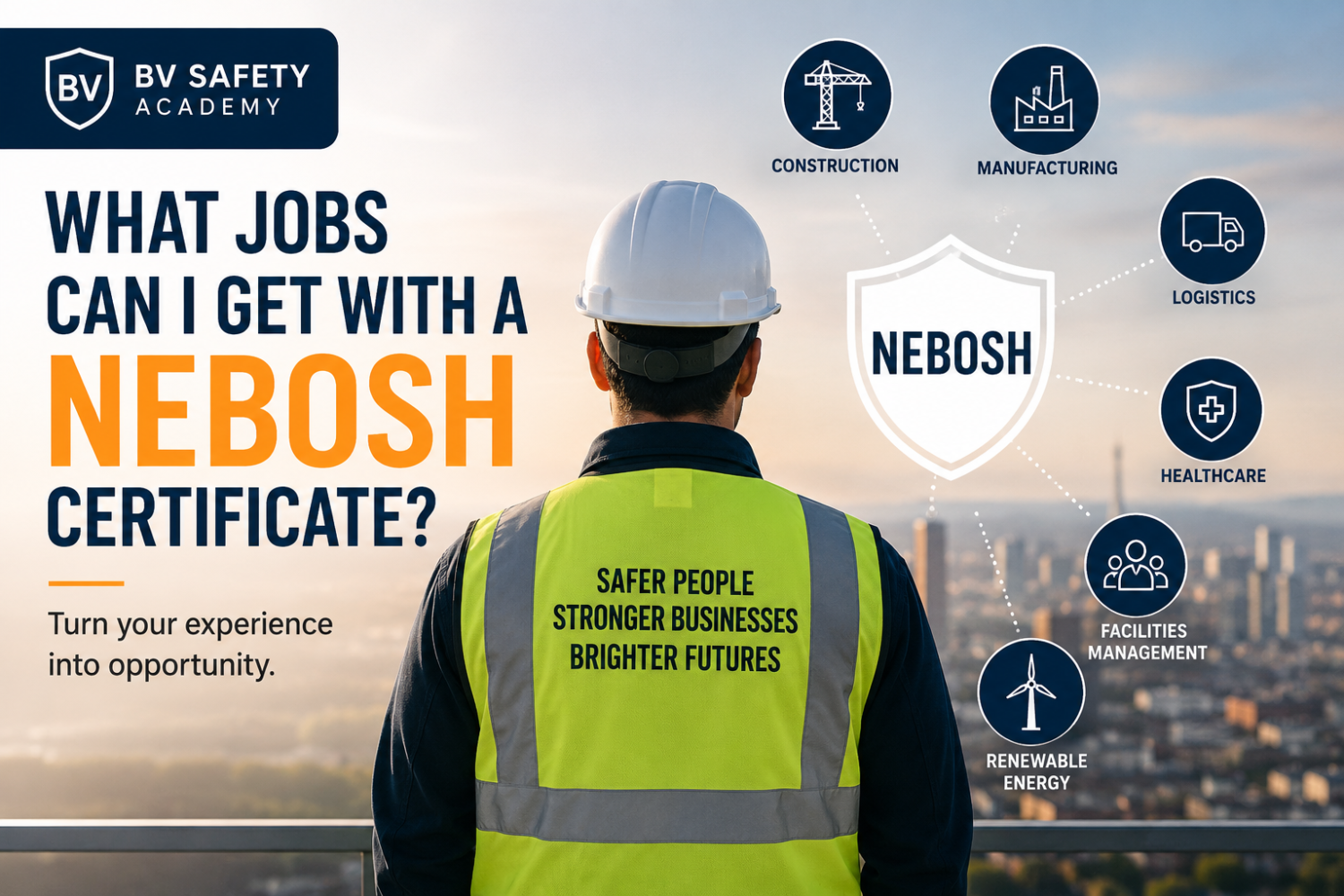
Return to Academy Home Page

Screenshot at ..

Introduction

One of the first questions many people ask before enrolling on the NEBOSH National General Certificate is whether it’s difficult.

It’s an understandable concern. Whether you’ve been out of education for two years or twenty, the thought of returning to study can feel daunting. Many people worry about balancing work, family life and revision, while others question whether they’ll be able to cope with the assessment or remember everything they need to know.

After teaching the qualification for more than two decades, I can honestly say that the answer isn’t as straightforward as many people expect.

Is the NEBOSH General Certificate challenging?

Yes.

Is it beyond the reach of the average learner?

Absolutely not.

What I’ve learned over the years is that success has very little to do with how academic someone is. Some of the strongest learners I’ve taught left school with very few qualifications, while others arrived with degrees and professional backgrounds. By the end of the course, those differences often mattered far less than people imagined.

The learners who succeed are rarely the ones with the best memories.

They’re the ones who develop the right mindset.

The NEBOSH General Certificate isn’t designed to test how many facts you can memorise. It’s designed to help you understand health and safety principles and apply them to realistic workplace situations. That’s a very different way of learning, and once people understand that, their confidence often begins to grow.

Throughout this guide, I’d like to explain why so many people worry unnecessarily about the difficulty of the qualification, explore the challenges learners commonly experience and, most importantly, share the approach I’ve seen help thousands of people succeed.

Because in my experience, passing the NEBOSH General Certificate isn’t about being the cleverest person in the room.

It’s about learning to think differently.

The Biggest Challenge Isn’t the Qualification

Screenshot at ..

Over the years, I’ve watched thousands of learners begin the NEBOSH National General Certificate with varying levels of confidence. Some arrive convinced they’re going to struggle because they haven’t studied for years, while others worry that they aren’t naturally academic enough to cope with the assessment.

Those concerns are completely understandable, but they rarely predict who will succeed.

In fact, one of the most interesting things I’ve observed throughout my career is that the learners who achieve the strongest results are not always those with the highest academic qualifications. More often than not, they’re the people who are prepared to engage with the subject, ask questions and gradually build their understanding as the course progresses.

The biggest challenge isn’t usually the qualification itself.

It’s the mindset people bring into the classroom.

Many learners begin the course believing they need to memorise everything. They fill notebooks with detailed notes, highlight every page of the workbook and spend hours trying to remember legislation, definitions and technical terms. It’s an approach that feels productive, but it often leads to frustration because that’s not how the General Certificate has been designed.

Health and safety isn’t about recalling facts under pressure. It’s about understanding principles and applying them sensibly to real situations.

That’s an important distinction.

If you understand why a particular control measure is appropriate, you’ll usually be able to explain it, justify it and apply it to different workplace scenarios. If you’ve simply memorised a list, you’ll often struggle the moment the situation changes.

I regularly tell learners that the answers are already available to them. In the workplace, no competent health and safety professional is expected to carry every regulation, Approved Code of Practice or piece of guidance in their head. They consult reliable sources, seek advice when necessary and make informed decisions based on the information available.

The NEBOSH assessment reflects that reality.

It’s designed to assess your ability to think, analyse and apply knowledge rather than demonstrate how much information you’ve committed to memory.

Once learners begin to understand that something changes.

The pressure starts to disappear.

Instead of worrying about remembering everything, they begin focusing on understanding the concepts. They ask better questions, contribute more confidently during discussions and start relating what they’re learning to their own workplaces. That’s the point where genuine learning begins to happen.

I’ve seen that transformation countless times over the years, and it’s one of the reasons I still enjoy teaching today. Watching someone realise they’re more capable than they thought they were one of the most rewarding parts of the job.

If there’s one piece of advice I’d give before you start studying, it’s this:

Don’t try to memorise health and safety.

Take the time to understand it.

Once you do, everything else becomes much easier.

What Learners Usually Find Difficult

Screenshot at ..

One of the reasons people become anxious before starting the NEBOSH General Certificate is because they often hear stories about how difficult it is. Sometimes those stories come from colleagues, sometimes from online forums and occasionally from people who completed the qualification many years ago.

Like most stories, there’s usually an element of truth, but it’s rarely the whole picture.

The General Certificate is challenging because it asks you to think differently. If you’ve been used to learning by memorising information and repeating it in an examination, the assessment may feel unfamiliar at first. Instead of asking you to recall facts, it asks you to interpret situations, identify risks and recommend sensible actions based on realistic workplace scenarios.

For many learners, that’s the biggest adjustment.

It’s not that the subject is beyond their ability. It’s that they’re being encouraged to apply knowledge rather than simply remember it.

I often see this during the first day of a course. People are busy writing down every word, worried they’ll miss something important. As the programme progresses, they gradually realise that the most valuable part of the learning isn’t what’s written in the workbook—it’s the discussions, the examples and the understanding they develop along the way.

Another challenge is confidence.

Many learners haven’t studied for years. Some haven’t sat in a classroom since leaving school. It’s perfectly normal to wonder whether you’ll be able to keep up with others or whether you’ve left it too late to return to learning.

The interesting thing is that those concerns usually disappear remarkably quickly.

Once people realise they’re surrounded by others who have exactly the same worries, the atmosphere changes. Questions become conversations, conversations become shared learning and confidence begins to grow naturally.

Time management can also present a challenge, particularly for learners balancing study with demanding jobs and family commitments. The key isn’t to find endless hours for revision; it’s to study consistently. Even short, focused periods of study are far more effective than trying to absorb everything in a single weekend.

Perhaps the biggest challenge of all is believing in yourself.

I’ve watched people walk into a classroom convinced they weren’t capable of completing the qualification, only to leave a few weeks later having achieved something they genuinely didn’t think was possible.

That isn’t because the course suddenly became easier. It’s because they discovered they were capable of far more than they first believed.

That’s why I always encourage learners not to judge themselves before they’ve even begun. Give yourself permission to learn, ask questions, make mistakes and develop your understanding one step at a time.

Learning isn’t about proving what you already know. It’s about discovering what you’re capable of becoming.

What I’ve Learned from Teaching Thousands of Learners

Screenshot at ..

People sometimes ask me whether it’s possible to predict who will pass the NEBOSH General Certificate before the course even begins.

The honest answer is no.

Over the years I’ve been surprised too many times to make that assumption.

I’ve taught people who arrived full of confidence, convinced they would find the course straightforward because they’d spent years working in industry. I’ve also taught people who walked into the classroom apologising in advance because they hadn’t studied since leaving school and genuinely believed they weren’t academic enough to succeed.

If experience has taught me anything, it’s this.

Neither group is usually right.

Some of the strongest learners I’ve worked with started the course believing they would struggle. They asked questions, listened carefully, shared their experiences and accepted that learning was a process rather than a test of intelligence. Week by week, their confidence grew until they began contributing to discussions with an assurance they never imagined they possessed.

Equally, I’ve seen very capable people make the course harder than it needed to be because they underestimated the importance of engaging with the learning. They relied on memory rather than understanding and focused on passing the assessment instead of developing the competence the qualification was designed to build.

That’s why I no longer judge someone’s chances of success by their qualifications, their job title or even the amount of experience they have.

Instead, I look for something much simpler.

Curiosity.

The learners who ask questions, challenge ideas, relate the subject to their own workplaces and genuinely want to understand why things happen almost always make the greatest progress. They don’t worry about having all the answers on day one because they’re too busy learning how to think differently.

There’s another pattern I’ve noticed over the years.

Almost every learner experiences a moment where something suddenly clicks.

It might happen during a classroom discussion, while working through a case study or even on the drive home after a day’s training. Suddenly, health and safety stops feeling like legislation and paperwork. It starts making sense because they can see how the principles apply to the people they work with every day.

That’s the moment I enjoy most.

Not because I know they’ll pass the assessment, but because I know they’re beginning to understand the real purpose of health and safety.

They’re no longer studying to gain a qualification.

They’re learning how to protect people.

For me, that’s when the real learning begins.

One Final Piece of Advice

Screenshot at ..

If I could give every learner one piece of advice before they start the NEBOSH National General Certificate, it would be this.

Relax.

I know that probably sounds strange coming from someone who’s spent more than twenty years teaching the qualification, but I’ve seen enough learners walk through the classroom door to know that many of them arrive carrying unnecessary pressure.

Some worry they’ve been away from education for too long. Others are convinced everyone else in the room will know more than they do. Quite a few apologise on the first morning because they don’t think they’re academic enough, and almost all of them have spent far more time worrying about the course than they needed to.

The truth is, you’re not expected to know the answers before you arrive.

That’s the whole reason you’re here.

Learning isn’t about proving how much you already know. It’s about developing the confidence and understanding to deal with situations you’ve never faced before. If you already knew everything, there would be no point attending the course.

One of the things I encourage learners to do from the very beginning is to stop trying to remember every single detail. I see people filling notebooks with pages of notes because they’re afraid they’ll miss something important. While good notes have their place, they’re only a small part of the learning process.

The real value comes from understanding the principles behind good health and safety management.

When you understand why something matters, you’re far more likely to remember it and, more importantly, apply it correctly when you’re back in the workplace.

Think about your own career for a moment.

You didn’t become good at your job by memorising a manual. You became good because you gained experience, learned from others, made mistakes, asked questions and gradually developed confidence in your own judgement.

Learning health and safety is no different.

The NEBOSH General Certificate isn’t asking you to become an expert overnight. It’s giving you a framework that you can continue building on for the rest of your career. Every discussion, every workplace example and every question you ask adds another layer to that understanding.

So, when you arrive on the first day, don’t worry about trying to impress anyone.

Be curious.

Ask questions.

Share your experiences.

Listen to the experiences of others.

Most importantly, allow yourself to enjoy the process of learning.

I’ve often said that the certificate you receive at the end of the course isn’t the most important thing you’ll take away.

The confidence you develop along the way is.

If you leave the course believing more in your own ability than you did when you arrived, then you’ve achieved something far more valuable than simply passing an assessment.

And after all these years, that’s still the part of teaching I enjoy the most.

Continue Your Learning

Screenshot at ..

Screenshot at ..

If you found this guide helpful, you may also enjoy:

  • How to Pass the NEBOSH Open Book Examination
  • How to Become a Health and Safety Advisor

These guides form part of the BV Safety Academy, created to help you build safer careers, stronger businesses and brighter futures.

Ready to Take the Next Step?

Whether you’re starting your health and safety journey or looking to progress your career, we’re here to help.

📞 01494 864100

✉ info@bvassociates.co.uk

Return to Academy Home Page
The BV Safety Academy

Is the NEBOSH General Certificate Worth It?


Career Guide | BV Safety Academy

What difference could it make to your career over the next five, ten or even twenty years?

By Dean Ferguson, CEO & Head of Learning Partner, BV Associates Limited
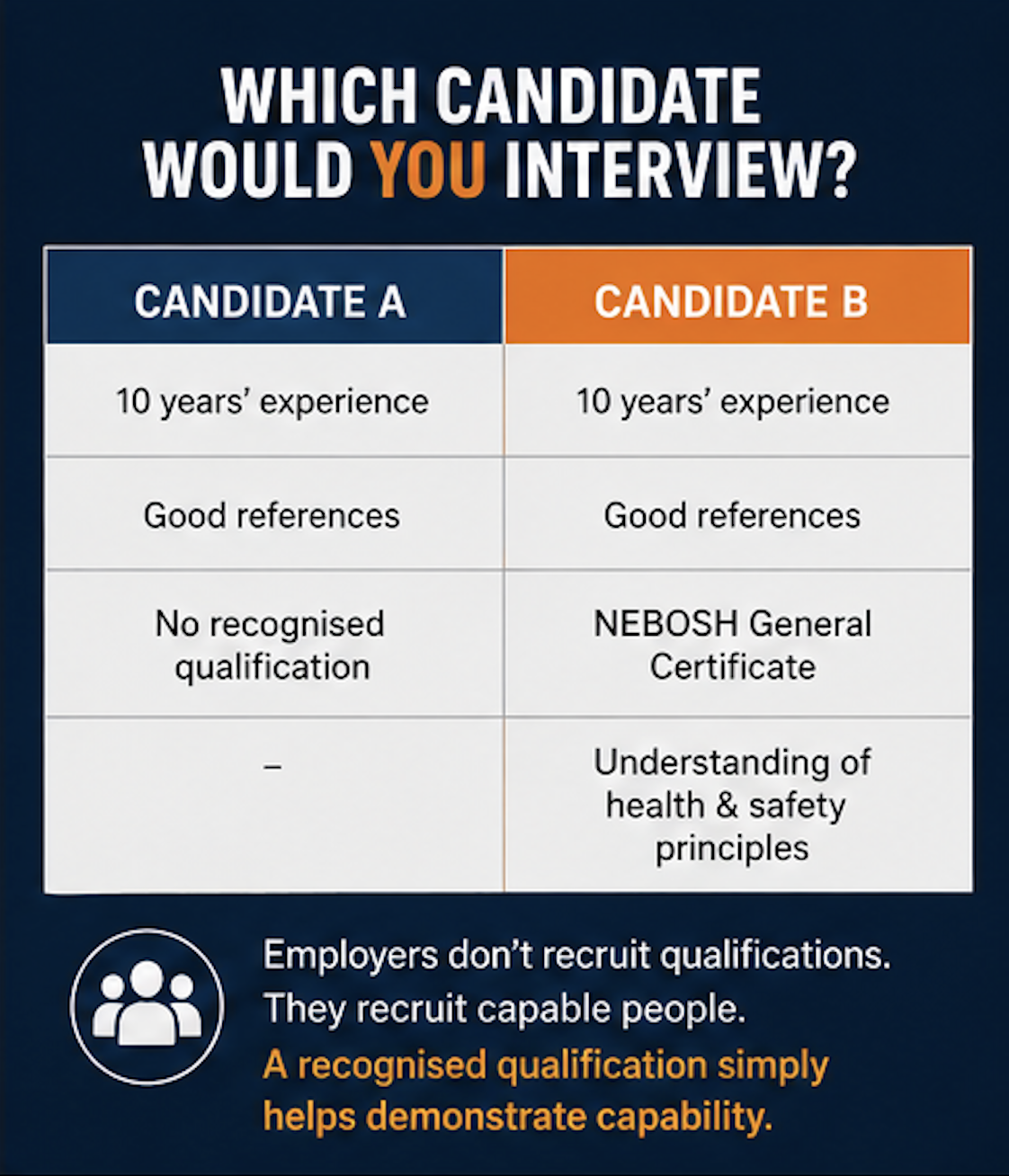
Introduction

One of the questions I’ve been asked countless times over the last twenty years is whether the NEBOSH National General Certificate is really worth the investment. It’s an understandable question, and one that deserves more than a simple yes or no answer.

Choosing to study for a professional qualification is a significant decision. It requires an investment of time, commitment and money, often alongside the demands of work and family life. Before making that commitment, it’s only natural to ask whether it will genuinely make a difference to your career.

Over the years, I’ve watched thousands of learners complete the General Certificate, each arriving with their own ambitions and motivations. Some wanted to move into dedicated health and safety roles, while others were looking to strengthen their leadership skills or improve their prospects within their current organisation. Many simply wanted greater confidence in their ability to manage health and safety effectively.

Although their goals were different, they all had one thing in common. They wanted to invest in themselves.

That’s why I believe the question isn’t simply whether the NEBOSH General Certificate is worth it. A better question is to ask what value it could add to your career over the next five, ten or even twenty years.

Professional qualifications should never be viewed purely in terms of the certificate you receive at the end of the course. Their real value lies in the knowledge you gain, the confidence you develop and the opportunities they help create. A recognised qualification can open doors, but it also changes the way you think, the decisions you make and the conversations you’re able to have within your organisation.

Throughout this guide, I’d like to share the perspective I’ve gained from teaching the General Certificate for more than two decades. We’ll look beyond pass rates and course content to explore why employers continue to value the qualification, who benefits most from studying it and, perhaps most importantly, how it can influence the direction of your career long after the course has finished.

Only then can we answer the original question with the context it deserves.

What Does “Worth It” Really Mean?

When people ask whether the NEBOSH General Certificate is worth it, they’re often thinking about one thing.

Will it help me get a better job?

There’s nothing wrong with asking that question. Career progression is one of the main reasons people choose to study, and it’s perfectly reasonable to want to know whether a qualification will improve your prospects. However, after more than twenty years of working with learners from every imaginable background, I’ve come to believe that it’s only part of the picture.

The real value of the General Certificate isn’t measured solely by the job you secure afterwards or the salary attached to it. Those things may well happen, but they’re often the result of something much more important.

The qualification changes the way you think.

It helps you understand why accidents happen rather than simply how to respond to them. It gives you the confidence to ask better questions, challenge unsafe practices when necessary and contribute more effectively to discussions about risk, leadership and organisational performance. Those are qualities that employers notice because they’re qualities that make a positive difference in the workplace.

I’ve seen learners return months or even years after completing the course to tell me about promotions, new responsibilities or career changes. Interestingly, many don’t begin by talking about the qualification itself. They talk about feeling more confident in meetings, being asked to lead projects, or finding that colleagues now seek their advice on health and safety matters.

That confidence doesn’t come from receiving a certificate.

It comes from understanding the subject well enough to apply it in real situations.

For me, that’s where the true return on investment lies. The General Certificate provides knowledge, but knowledge on its own has limited value. When that knowledge is combined with your existing experience, professional judgement and a willingness to keep learning, it becomes something far more powerful.

It becomes competence.

And competence is something that stays with you throughout your career.

A qualification may help you secure your next opportunity, but the confidence and capability you develop while earning it will continue to influence every opportunity that follows. That’s why I encourage learners to think beyond the immediate outcome and consider the long-term impact that investing in themselves can have.

When viewed over the course of a professional career rather than a single job application, the question changes completely.

It is no longer simply, “Is the NEBOSH General Certificate worth it?”

Instead, it becomes, “Can I afford to miss the opportunity to develop the knowledge, confidence and credibility that could influence my career for years to come?”

Why Employers Continue to Value the NEBOSH General Certificate

If the NEBOSH National General Certificate has been around for many years, why does it continue to appear on so many job descriptions?

The answer is surprisingly simple.

Employers aren’t looking for certificates. They’re looking for capable people.

Every organisation, regardless of its size or industry, has a legal and moral responsibility to protect the health, safety and wellbeing of its employees. At the same time, businesses need to remain productive, profitable and resilient. Achieving that balance requires people who can make informed decisions, recognise risk before it develops into an incident and influence others to work safely.

That’s exactly where the General Certificate adds value.

It provides a structured understanding of health and safety management, but more importantly, it encourages learners to think differently about the workplace. Rather than seeing health and safety as a collection of rules and procedures, they begin to understand how good health and safety supports every part of an organisation. Fewer incidents, better planning, stronger leadership and a more positive culture all contribute to better business performance.

Over the years, I’ve spoken to many employers who have recruited learners after completing the General Certificate. Interestingly, they rarely tell me they recruited someone simply because they held a NEBOSH qualification.

Instead, they talk about the confidence that qualification gives them.

It tells them that the individual has invested in their own professional development. It demonstrates a willingness to learn, an understanding of recognised health and safety principles and a commitment to improving both themselves and the organisations they work for.

Of course, a qualification on its own doesn’t make someone an outstanding employee. Experience, attitude, communication skills and the ability to work with others remain just as important. However, when those qualities are supported by a recognised qualification, employers gain additional confidence that they’re recruiting someone who is serious about their profession.

This is why I often describe the General Certificate as a qualification that validates experience rather than replacing it.

Someone with years of practical knowledge gains the opportunity to demonstrate that knowledge through a recognised framework. Equally, someone earlier in their career gains the confidence and understanding to contribute more effectively while continuing to build practical experience.

In both cases, the qualification becomes far more than a certificate.

It becomes evidence of professional commitment.

That’s one of the reasons the General Certificate has maintained its reputation for so many years. Industries evolve, legislation changes and workplaces become more complex, yet organisations continue to need people who can think critically, manage risk sensibly and help create environments where people can perform at their best.

Those qualities never go out of date.

And neither does the value of developing them.

Who Benefits Most from the NEBOSH General Certificate?

One of the reasons the NEBOSH National General Certificate has remained so highly regarded is because it isn’t designed for one specific profession or industry. Although many people associate it with health and safety advisors, the reality is that the qualification benefits a much wider audience.

Throughout my career, I’ve taught people from almost every sector imaginable. Construction managers, engineers, production supervisors, warehouse managers, local authority officers, facilities managers, service leavers, business owners and people taking their very first steps into health and safety have all sat in the same classroom. Despite their different backgrounds, they quickly discover that the principles of good health and safety are universal.

For supervisors and managers, the qualification provides confidence. Managing people carries responsibility, and understanding how to identify hazards, assess risks and make sensible decisions allows leaders to create safer, more productive workplaces. Many learners tell me that after completing the course they approach conversations with their teams differently because they understand not just what needs to be done, but why.

For engineers and technical professionals, the General Certificate complements the expertise they already possess. Engineers are natural problem solvers, and health and safety is fundamentally about solving problems before they result in harm. Understanding how technical decisions influence people, processes and organisational risk makes them even more effective in their roles.

Construction professionals have always recognised the importance of health and safety, but today’s projects demand more than compliance. Site Managers, Contracts Managers and Project Managers are expected to demonstrate leadership, influence contractors, manage changing risks and deliver projects safely while maintaining programme and quality. The General Certificate helps build the knowledge and confidence needed to achieve that balance.

One group I particularly enjoy working with is Armed Forces service leavers. Having made that transition myself, I understand both the opportunities and the uncertainties that come with moving into civilian employment. Service personnel often underestimate just how transferable their experience is. Leadership, planning, communication, teamwork and risk management are all qualities employers value. The General Certificate helps translate those strengths into a qualification that civilian employers immediately recognise.

Perhaps the biggest surprise for many people is that some of our most successful learners never intend to become full-time health and safety professionals at all. They study because they want to become better leaders, stronger managers or more effective decision-makers. They recognise that health and safety isn’t a separate function within a business; it’s an integral part of good management.

That’s why I believe the General Certificate has such broad appeal. It doesn’t prepare you for a single job. It prepares you to make better decisions, protect people more effectively and contribute more positively to whichever organisation you’re part of.

In the end, that’s why so many different people continue to study it. They aren’t all pursuing the same career, but they are all investing in becoming better professionals.

The Return on Investment

Whenever someone asks me whether the NEBOSH General Certificate is worth the investment, I always encourage them to think beyond the course fee.

Most of us have no hesitation investing in a new phone, a car or improving our homes because we can immediately see the benefit. Investing in ourselves can sometimes feel different because the return isn’t always instant or easy to measure. Yet, in my experience, it’s often the investment that delivers the greatest long-term rewards.

Of course, there can be financial benefits. A recognised qualification may help you secure a promotion, move into a new role or strengthen your position when applying for opportunities with a new employer. However, I’ve never believed that salary alone defines the value of professional development.

The biggest change I see in learners is confidence.

At the beginning of a course, it’s common for people to question themselves. They worry about whether they’ll understand the content, whether they’re experienced enough or whether they’ve made the right decision by enrolling. By the end of the programme, those same people are contributing to discussions, analysing workplace scenarios and explaining how they would approach real health and safety challenges.

That transformation is difficult to measure, but it’s impossible to ignore.

Confidence changes the way people communicate. It encourages them to contribute during meetings, challenge unsafe practices when necessary and take on responsibilities they may previously have avoided. Over time, those changes often lead to greater professional recognition because employers notice people who are willing to think critically and take ownership.

The General Certificate also provides something that many people overlook: credibility.

When you’re discussing health and safety with colleagues, contractors or senior leaders, having a recognised qualification behind you gives weight to your opinions. It demonstrates that your recommendations are supported by structured learning and recognised professional standards rather than personal opinion alone.

Perhaps the greatest return, however, is something far less tangible.

It’s the way you begin to look at the world around you.

Once you’ve developed a deeper understanding of health and safety management, you naturally start recognising risks, questioning unsafe behaviours and thinking more proactively about protecting people. Those habits don’t disappear when the course finishes. They become part of the way you work, the way you lead and, in many cases, the way you live.

I’ve often had former learners tell me they now notice things they would never have considered before. They approach projects differently, involve people earlier in decision-making and think more carefully about the consequences of seemingly small decisions. That’s not because they’ve memorised legislation. It’s because they’ve developed a different mindset.

When you look at the General Certificate through that perspective, the question is no longer whether it’s worth the investment.

The better question is this:

What value could a stronger understanding of health and safety bring to every role you undertake for the rest of your career?

For me, that’s where the real return on investment lies. Not in the certificate itself, but in the knowledge, confidence and professional judgement that continue to benefit you long after the course has ended.

Common Misconceptions About the NEBOSH General Certificate

Over the years I’ve heard just about every reason why someone thinks the NEBOSH General Certificate isn’t for them. Some people worry they’re not experienced enough, while others convince themselves they’re too experienced to benefit from studying. Interestingly, both groups often reach exactly the same conclusion once the course has finished—they wish they’d done it sooner.

One of the most common misconceptions is that the General Certificate is only relevant if you want to become a Health and Safety Advisor.

I understand why people think that. The qualification is widely recognised within the profession, so it’s easy to assume it’s designed exclusively for those pursuing a dedicated health and safety career. In reality, that’s only part of the story.

The majority of people I meet don’t intend to change careers at all. They want to become better supervisors, stronger managers, more effective engineers or more confident business owners. They recognise that every leadership role carries responsibility for the wellbeing of others, and they want the knowledge to fulfil that responsibility effectively.

Another misconception is that experience alone is enough.

Experience is incredibly valuable, and throughout my career I’ve always said that qualifications should never replace it. However, experience and professional development are not competing ideas—they complement each other. Experience teaches you what has happened in the past, while structured learning helps you understand why it happened and how similar situations can be prevented in the future.

When those two things come together, they create competence.

I also hear people say they’re worried the course will be too difficult.

My response is always the same.

The General Certificate is designed to challenge your thinking, not to catch you out. Learners come from a wide variety of educational backgrounds and industries, and success isn’t determined by how much you can memorise. It’s determined by your willingness to engage with the subject, understand the principles and apply them to realistic workplace situations.

That’s one of the reasons I encourage learners to relax and enjoy the learning process. You don’t need to remember every detail because, in the real world, health and safety professionals don’t rely on memory alone. They investigate, consult colleagues, refer to guidance and make informed decisions based on the information available. The qualification reflects that reality far more closely than many people realise.

Finally, there’s the misconception that the General Certificate is simply another certificate to add to your CV.

If that’s all it becomes, you’ve missed the greatest benefit.

The real value isn’t the qualification itself.

It’s the confidence to ask better questions, the judgement to make better decisions and the ability to influence others to work more safely. Those are qualities that stay with you long after the certificate has been framed and the course has been completed.

In my experience, that’s why so many former learners tell me the General Certificate changed far more than their CV. It changed the way they approached their work.

Final Thoughts

Screenshot at ..

So, is the NEBOSH National General Certificate worth it?

After more than twenty years of teaching the qualification and watching thousands of learners develop their careers, my answer is yes—but perhaps not for the reasons you might expect.

If you’re looking for a certificate that guarantees a promotion or secures your next job, no qualification can honestly make that promise. Careers are built through experience, commitment, resilience and a willingness to keep learning. Those are qualities that no examination can measure on its own.

What the General Certificate does provide is a strong foundation. It gives you the knowledge to understand health and safety in a practical way, the confidence to contribute more effectively in the workplace and the credibility that comes with achieving one of the most widely recognised qualifications in the profession.

Over the years I’ve seen learners arrive with very different ambitions. Some wanted to become Health and Safety Advisors, others were aiming for management positions, while many simply wanted to become more effective in the roles they already held. The one thing they all shared was a decision to invest in themselves, and that decision often became the starting point for opportunities they hadn’t imagined when they first enrolled.

One of the most rewarding parts of my job isn’t seeing someone pass an assessment. It’s hearing from them months or years later when they tell me about the promotion they earned, the confidence they gained or the career they never thought possible. Those conversations remind me that education isn’t simply about gaining knowledge. It’s about recognising your own potential and having the confidence to apply it.

That’s why I continue to believe the NEBOSH General Certificate is one of the best professional investments many people can make. Not because it changes who you are, but because it helps you develop into the professional you’re capable of becoming.

If there’s one thought I’d like to leave you with, it’s this.

Don’t measure the value of a qualification by the certificate you receive at the end of the course.

Measure it by the person you become because you chose to keep learning.

For me, that’s what makes the investment worthwhile.

Continue Your Learning

If you found this guide helpful, you may also enjoy:

  • How Difficult Is the NEBOSH General Certificate?
  • How to Pass the NEBOSH Open Book Examination
  • How to Become a Health and Safety Advisor

These guides form part of the BV Safety Academy, created to help you build safer careers, stronger businesses and brighter futures.

Ready to Take the Next Step?

Whether you’re starting your health and safety journey or looking to progress your career, we’re here to help.

📞 01494 864100

✉ info@bvassociates.co.uk

Return to Academy Home Page

The BV Safety Academy

Which NEBOSH Qualification Is Right for Me?


Career Guide | BV Safety Academy

By Dean Ferguson, CEO & Head of Learning Partner, BV Associates Limited

Return to Academy Home Page

Introduction

If there’s one question I’ve been asked more than almost any other during the last twenty years, it’s this:

“Which NEBOSH qualification should I do?”

It’s a sensible question, but my answer is usually another question.

“Where do you want your career to go?”

Too many people choose a qualification because someone else recommended it, because a colleague studied it or because it sounds more advanced.

I don’t think that’s the right approach. The best qualification isn’t necessarily the most difficult or the most specialised. It’s the one that helps you achieve your next career objective.

Over the years, I’ve taught supervisors looking to become managers, engineers wanting to broaden their responsibilities, Armed Forces service leavers beginning civilian careers and experienced professionals taking their first dedicated step into health and safety.

Although their backgrounds were completely different, the advice I gave them was remarkably similar. Don’t choose a qualification because of its title. Choose it because it supports the career you want to build.

For most people, that journey begins with the NEBOSH National General Certificate in Occupational Health and Safety.

Why?

Because it provides the broadest understanding of health and safety management and can be applied in almost every workplace.

It doesn’t lock you into one industry.

It opens opportunities across many.

That’s why, if someone asked me to recommend just one qualification that could have the greatest impact on the widest range of careers, my answer would be the same today as it was twenty years ago.

My Recommendation: If you’re unsure where to begin, start with the NEBOSH National General Certificate. It offers the broadest syllabus, applies across virtually every workplace and provides the strongest foundation for future professional development. Once you’ve built that foundation, you can choose specialist qualifications that align with your industry and career ambitions.

Start With Your Career Goal

Before comparing qualifications, I’d encourage you to think about something much more important.

Where do you want your career to go?

The answer to that question should influence every learning decision you make.

Too often, people choose qualifications because a colleague recommended them, because they’re the newest qualification available or because they assume the most advanced course is automatically the best option.

In my experience, that’s rarely the right way to decide. The best qualification isn’t always the most difficult. It’s the one that helps you take your next professional step.

Throughout my career I’ve worked with supervisors who wanted to become managers, engineers looking to broaden their responsibilities, service leavers beginning civilian careers and experienced professionals moving into dedicated health and safety roles.

Although their careers were very different, the advice I gave them was remarkably similar. Don’t study for the qualification you think sounds most impressive. Study the qualification that best supports the career you want to build.

For most people, that journey starts with the NEBOSH National General Certificate because it provides the broadest understanding of occupational health and safety and can be applied across virtually every industry.

Once you’ve built that foundation, you can then specialise as your responsibilities and career develop.

Think of your professional development as building a house. The General Certificate is the foundations. Specialist qualifications are the walls. The Diploma is the roof. Without strong foundations, everything else becomes much harder. That’s why I recommend taking the time to understand not just what each qualification covers, but why it exists and who it has been designed for. The right choice today can influence the opportunities available to you for many years to come.

A Simple Learning Pathway

Although every learner’s journey is different, the pathway below reflects the route taken by many successful health and safety professionals.

Remember, this isn’t the only route.

It’s simply the route I’ve seen work successfully for thousands of learners over the years.

The NEBOSH Qualifications Explained

NEBOSH National General Certificate in Occupational Health and Safety

If I could recommend just one qualification to someone looking to improve their career prospects, this would be it. The NEBOSH National General Certificate is widely recognised as the benchmark health and safety qualification for people who want to develop a practical understanding of occupational health and safety.

What makes it so valuable is its versatility. Unlike specialist qualifications, the General Certificate isn’t limited to one industry. Whether you work in construction, engineering, manufacturing, logistics, warehousing, education, healthcare, local government, retail or facilities management, the knowledge you gain can be applied every day.

Who is it for?

The General Certificate is ideal for:

    • Supervisors and Team Leaders
    • Managers
    • Engineers
    • Project Managers
    • Facilities Managers
    • Operations Managers
    • Health and Safety Advisors
    • Anyone with responsibility for managing people or workplaces safely

It’s also an excellent starting point for Armed Forces service leavers who want to transfer their leadership and operational experience into a recognised civilian qualification.

Why do I recommend it?

Quite simply, it offers the broadest syllabus and the greatest flexibility. Health and safety principles are remarkably consistent regardless of industry. Every organisation needs people who can identify hazards, assess risks and implement sensible controls. That’s why I believe the General Certificate provides the strongest foundation for almost every career pathway.

NEBOSH Health and Safety Management for Construction

Construction presents unique challenges that require specialist knowledge. Managing contractors, working at height, excavations, lifting operations and temporary works all demand an understanding of risks that go beyond general workplace health and safety.

Who is it for?

This qualification is particularly suited to:

    • Site Managers
    • Contracts Managers
    • Construction Supervisors
    • Principal Contractors
    • Project Engineers
    • Construction Health and Safety Advisors

If construction is your chosen career, this qualification demonstrates your understanding of the industry’s specific health and safety requirements.

Should you study it first?

If you’re already working in construction, it can be an excellent choice.

However, if you’re new to health and safety altogether, I’d usually recommend building a broad understanding through the General Certificate before specialising.

NEBOSH HSE Certificate in Process Safety Management

Some industries involve hazards that have the potential for major incidents affecting large numbers of people, the environment and business continuity.That’s where process safety becomes essential.

Rather than focusing on everyday workplace hazards, this qualification concentrates on preventing catastrophic events through effective management systems and operational controls.

Who is it for?

Professionals working in:

    • Oil and Gas
    • Chemical Manufacturing
    • Pharmaceuticals
    • Utilities
    • Energy
    • Heavy Manufacturing
    • High-hazard industrial environments

If you’re responsible for managing or supervising high-risk processes, this qualification provides valuable specialist knowledge.

NEBOSH Environmental Management Certificate

Today’s organisations are expected to manage more than health and safety. Environmental responsibility has become an important part of sustainable business. This qualification helps learners understand environmental management systems, pollution prevention, waste management and sustainable working practices.

Who is it for?

It’s particularly valuable for:

    • Environmental Managers
    • SHEQ Professionals
    • Operations Managers
    • Facilities Managers
    • Sustainability Professionals
    • Anyone with environmental responsibilities

Many organisations increasingly look for professionals who understand both health and safety and environmental management, making this qualification an excellent addition to your professional development.

The NEBOSH Diploma

For many health and safety professionals, the Diploma represents the next major step in their career. It develops strategic thinking, leadership and advanced health and safety management skills and is often studied by people working towards Chartered Membership of IOSH.

Who is it for?

The Diploma is best suited to people who already have practical workplace experience and want to progress into senior health and safety roles.

Rather than rushing into advanced study, I’d encourage learners to gain experience after completing the General Certificate.

The combination of practical application and further study creates stronger, more confident professionals.

Remember… Professional development isn’t a race.

Build strong foundations first. Everything else becomes easier.

If You Asked Me…

After more than twenty years of teaching NEBOSH qualifications and helping thousands of learners develop their careers, people often ask me the same question:

“Dean, if you could recommend just one NEBOSH qualification, which would it be?”

My answer has remained remarkably consistent over the years.

For the vast majority of people, I recommend the NEBOSH National General Certificate in Occupational Health and Safety because it provides the broadest foundation for a successful career. It isn’t limited to one industry or one type of role. Whether you’re a supervisor looking to progress into management, an engineer wanting to broaden your responsibilities, or someone considering a dedicated career in health and safety, the General Certificate gives you knowledge that can be applied in almost every workplace.

One of the reasons I continue to recommend it is because it creates options. Careers rarely follow a perfectly straight line. People move industries, accept new responsibilities, discover opportunities they hadn’t considered or simply decide they want a new challenge. A qualification that can adapt to those changes is far more valuable than one designed for a very specific purpose.

That doesn’t mean the General Certificate is always the right answer. If you’ve spent your career working in construction, the Construction qualification may be a more appropriate choice. If you’re responsible for managing major hazard industries, Process Safety provides specialist knowledge that reflects the realities of that environment. Likewise, if environmental performance forms part of your responsibilities, the Environmental Management qualification may better support your professional development.

The important thing is not to choose a qualification because someone else recommended it or because it appears to be the most advanced option. Choose it because it supports the career you want to build.

Over the years I’ve seen people spend time and money studying qualifications they didn’t really need, simply because they hadn’t stopped to think about where they wanted their career to go. A short conversation at the beginning would often have saved them both.

That’s why we always start by understanding the individual. Once we know your experience, your ambitions and the direction you want to take, recommending the right qualification usually becomes a straightforward conversation rather than a difficult decision.

If you asked me where most people should begin, my answer would still be the same today as it was twenty years ago.

Build strong foundations first. Everything else becomes much easier from there.

Common Mistakes When Choosing a NEBOSH Qualification

One of the privileges of teaching for more than twenty years is that you begin to recognise patterns. I’ve seen thousands of learners arrive with different backgrounds, different ambitions and different reasons for studying, but many of the questions they ask—and some of the mistakes they make—are remarkably similar.

The good news is that they’re all avoidable.

Perhaps the most common mistake is believing that the most advanced qualification is automatically the best one. It’s understandable why people think that way. If you’re investing in your future, it can be tempting to believe that studying the highest-level qualification will create the greatest opportunities.

In reality, professional development doesn’t work like that.

The strongest careers are built on solid foundations. I’ve always believed that it’s better to fully understand the principles of good health and safety management before moving on to more specialist or advanced qualifications. Learners who follow that approach generally develop greater confidence because they’re building knowledge gradually and applying it in the workplace as they progress.

Another mistake is choosing a qualification because someone else recommends it without considering whether it’s appropriate for your own career. Just because a colleague studied the Construction qualification or is working towards the Diploma doesn’t necessarily mean it’s the right pathway for you.

Every learner starts from a different place. Your current role, your industry, your ambitions and your existing experience should all influence the qualification you choose.

I also meet people who believe NEBOSH qualifications are only relevant if they want to become full-time health and safety professionals.

That simply isn’t true.

Some of the most successful learners I’ve worked with have remained in operational management, engineering, project management or supervisory roles. They didn’t study NEBOSH to change careers; they studied because they wanted to become better leaders, make better decisions and create safer workplaces.

In many cases, that additional knowledge helped them secure promotions because employers recognised the wider value they brought to the organisation.

Finally, I think too many people focus on passing the assessment rather than understanding the subject.

Of course, everyone wants to pass, and that’s important. But the qualification is only the beginning. The real value comes when you return to work and start applying what you’ve learned to real situations, real people and real workplaces.

That’s where confidence grows.

That’s where employers begin to notice the difference.

And ultimately, that’s where careers are built.

When choosing a NEBOSH qualification, don’t ask yourself which course sounds the most impressive.

Ask yourself which qualification will help you become more effective in the role you have today while preparing you for the opportunities you hope to achieve tomorrow.

In my experience, that’s a much better way of making the decision.

Frequently Asked Questions

Which NEBOSH qualification should I study first?

For the vast majority of learners, I recommend starting with the NEBOSH National General Certificate. It provides the broadest understanding of health and safety management and is recognised across virtually every industry. Once you’ve built that foundation and gained practical experience, you can then decide whether specialist qualifications such as Construction, Process Safety or Environmental Management would benefit your career.

Can I study a NEBOSH qualification if I don’t work in health and safety?

Absolutely. In fact, many people don’t.

One of the biggest misconceptions is that NEBOSH qualifications are only for dedicated health and safety professionals. Many of our learners are supervisors, managers, engineers, project managers, facilities managers or Armed Forces service leavers who simply want to become more effective in their existing roles. Health and safety is everyone’s responsibility, not just the responsibility of a safety department.

Do I need previous experience before studying?

No.

While workplace experience is always valuable because it allows you to relate the learning to real situations, you don’t need previous health and safety qualifications to begin studying the NEBOSH National General Certificate. The course is designed to develop your understanding from the ground up and give you practical knowledge that can be applied in almost any workplace.

Should I choose classroom or online learning?

That depends entirely on how you learn best.

Some people enjoy the interaction and structure of a classroom environment where they can ask questions throughout the day and learn alongside other delegates. Others prefer the flexibility of online learning, particularly if they’re balancing study with work or family commitments.

The qualification is the same whichever method you choose. The important thing is selecting the learning environment that gives you the greatest chance of success.

Is the NEBOSH Diploma the next step after the General Certificate?

For many learners, yes—but not immediately.

I’d always encourage people to spend time applying what they’ve learned in the workplace before progressing to the Diploma. The combination of practical experience and further study develops stronger professionals than rushing from one qualification to the next.

Professional development isn’t about collecting certificates.

It’s about building competence.

Which qualification do employers ask for most often?

Across the industries we work with, the NEBOSH National General Certificate remains the qualification most frequently requested by employers. Its broad syllabus and practical application make it relevant across construction, engineering, manufacturing, logistics, education, healthcare, local government and many other sectors.

That’s one of the reasons I recommend it so often.

I’m leaving the Armed Forces. Which qualification should I choose?

Many service leavers begin with the NEBOSH National General Certificate because it complements the leadership, planning and risk management skills they’ve already developed during military service.

One of the most rewarding parts of my job is helping service leavers recognise just how transferable their experience really is. A recognised qualification helps employers see the value that already exists.

How do I know which qualification is right for me?

If you’re unsure, don’t guess.

Take the time to speak to an experienced learning provider who will understand your background, your current role and your long-term ambitions. A short conversation is often enough to identify the qualification that will provide the greatest benefit.

Choosing a qualification shouldn’t feel like buying a product.

It should feel like planning your future.

Continue Your Learning

If you found this guide helpful, you may also enjoy:

  • Is the NEBOSH General Certificate Worth It?
  • How Difficult Is the NEBOSH General Certificate?
  • How to Pass the NEBOSH Open Book Examination
  • How to Become a Health and Safety Advisor

These guides form part of the BV Safety Academy, created to help you build safer careers, stronger businesses and brighter futures.

Ready to Take the Next Step?

Whether you’re starting your health and safety journey or looking to progress your career, we’re here to help.

📞 01494 864100

✉ info@bvassociates.co.uk

Return to Academy Home Page
The BV Safety Academy

What jobs can I get with a NEBOSH Certificate?

What Jobs Can I Get With a NEBOSH Certificate? Career Guide | BV Safety Academy

Career Guide | BV Safety Academy

Turn your experience into opportunity

By Dean Ferguson, CEO & Head of Learning Partner, BV Associates Limited

Return to Academy Home Page

Introduction

“What jobs can I get with a NEBOSH Certificate?”

It’s one of the most common questions we’re asked at BV Associates, and after more than twenty years of helping people develop successful careers in health and safety, I completely understand why.

If you’re investing your time, money and effort into gaining a recognised qualification, it’s only natural to want to know where it could take you.

However, over the years I’ve come to realise that this isn’t actually the question most people are asking.

What they really want to know is:

“Will this qualification genuinely improve my career and create opportunities that weren’t there before?”

The answer, in my experience, is yes—but probably not in the way many people expect.

One of the biggest misconceptions about the NEBOSH General Certificate is that it qualifies you for one specific job. It doesn’t.

Instead, it does something much more valuable.

It helps you take the knowledge, judgement and experience you’ve already developed throughout your career and supports it with one of the most recognised health and safety qualifications in the world. For many employers, that’s the difference between seeing someone who has practical experience and someone who has practical experience backed by a recognised standard.

I’ve taught learners from construction, engineering, manufacturing, logistics, local government, utilities, education, healthcare and the Armed Forces. Although their backgrounds were very different, they all shared one thing in common. They wanted to improve their future.

Some wanted a promotion.

Some wanted to change careers.

Some wanted to become dedicated health and safety professionals.

Others simply wanted to become better managers, supervisors or team leaders.

The qualification helped every one of them in a different way because health and safety isn’t confined to a single profession. Every organisation needs competent people who understand how to identify risks, protect colleagues and create safer, more productive workplaces.

That’s why I encourage people to think differently.

Rather than asking:

“What jobs can I get with a NEBOSH Certificate?”

Ask yourself:

“How can a NEBOSH qualification make me more valuable to every employer I ever work for?”

In my experience, that’s the question that changes careers.

Throughout this guide, I’ll explain why employers value NEBOSH qualifications, explore the wide range of careers they support, share real learner experiences and help you understand how the right qualification can become a catalyst for long-term professional development rather than simply your next job.

Why Do Employers Value a NEBOSH Qualification?

Before looking at the types of jobs a NEBOSH qualification can lead to, it’s worth taking a step back and looking at the question from an employer’s perspective.

Every employer has a legal duty to protect the health, safety and wellbeing of their employees, contractors and anyone affected by their work. Whether it’s a small local business or a multinational organisation, health and safety isn’t optional—it’s an essential part of running a successful business.

That’s why employers don’t simply recruit people to do a job. They recruit people who can add value.

Imagine two candidates applying for the same role.

Screenshot at ..

The only difference is that one candidate has achieved the NEBOSH General Certificate.

Which candidate is likely to stand out?

For many employers, the answer is obvious. The candidate with a recognised health and safety qualification has demonstrated a commitment to professional development and an understanding of how to identify hazards, assess risks and contribute to creating a safer workplace.

That doesn’t mean the other candidate lacks ability. Far from it. Experience remains one of the most valuable assets anyone can bring to an organisation.

However, experience supported by a recognised qualification provides employers with additional confidence.

It shows that practical knowledge has been reinforced by structured learning and internationally recognised standards. This is something I explain to learners on almost every course.

A qualification doesn’t replace your experience – it validates it.

Screenshot at ..

That’s an important distinction because too many people believe they need to become a health and safety specialist to benefit from studying NEBOSH. In reality, almost every role benefits from someone who understands how to recognise hazards, prevent incidents and contribute to a positive safety culture.

Think about a construction site.

Would you rather employ a Site Manager who can immediately recognise unsafe working practices and take appropriate action, or one who has to wait for someone else to identify the problem? The same applies in manufacturing, logistics, engineering, warehousing, facilities management, education, healthcare and countless other industries.

Health and safety isn’t about creating paperwork or quoting legislation.

  • It’s about protecting people, preventing incidents and keeping businesses operating efficiently.
  • Every accident prevented is a colleague who goes home safely at the end of the day.
  • Every near miss investigated is an opportunity to prevent something more serious.
  • Every improvement made helps reduce downtime, protect productivity and strengthen the organisation.

That’s why employers value recognised qualifications like NEBOSH. Not because they want someone who knows the regulations word for word, but because they want people who can apply practical health and safety principles, make informed decisions and contribute positively to the success of the business.

When you begin to look at a NEBOSH qualification through that lens, the question changes.

It stops being:

“What job can I get?”

And becomes:

“How much more valuable can I become to any employer?”

In my experience, that’s the question that opens the most doors.

Screenshot at ..

Where Can a NEBOSH Qualification Take You?

One of the biggest misconceptions about the NEBOSH General Certificate is that it prepares you for one specific job.

In reality, it prepares you for something much broader.

It helps you become a more capable employee, supervisor, manager or health and safety professional by giving you the knowledge and confidence to recognise risks, protect people and contribute to a safer workplace.

That’s why the qualification is valued across almost every industry.

Let’s look at where it could take you.

Construction

Construction remains one of the UK’s largest employers of health and safety professionals, but a NEBOSH qualification isn’t only valuable if you want to become a Health and Safety Advisor.

Site Managers, Contracts Managers, Project Managers, Supervisors and Engineers all benefit from understanding how to manage risk, coordinate safe systems of work and create positive safety cultures.

Whether you’re managing subcontractors, planning work or overseeing complex projects, employers recognise the value of leaders who understand health and safety as part of everyday decision-making rather than treating it as an afterthought.

Engineering

Engineering has always relied on people who can solve problems safely.

Mechanical, electrical, civil and maintenance engineers regularly work with equipment, processes and environments where risk management is essential.

A NEBOSH qualification complements technical expertise by helping engineers identify hazards, assess risks and make informed decisions that protect both people and productivity.

Manufacturing

Manufacturing environments are constantly changing, with machinery, production targets and operational pressures all creating potential risks.

Supervisors, Team Leaders, Production Managers and Operations Managers who understand health and safety help reduce incidents, minimise downtime and improve overall efficiency.

For employers, that’s a valuable combination.

Logistics, Warehousing and Distribution

Warehouses and distribution centres are busy, fast-moving workplaces where vehicles, pedestrians, lifting operations and manual handling all need careful management.

A recognised health and safety qualification demonstrates that you understand how to identify hazards before they become incidents and how to support safer ways of working.

Whether you’re managing a warehouse, supervising a logistics operation or coordinating deliveries, those skills are highly valued.

Utilities and Infrastructure

The utilities sector requires professionals who understand both operational performance and risk management.

Electricity, gas, water and telecommunications organisations all depend on competent people who can work safely while maintaining essential services.

A NEBOSH qualification strengthens your ability to contribute to safe planning, maintenance and operational decision-making.

Oil, Gas and Process Industries

High-hazard industries demand high standards.

That’s why many professionals begin with the NEBOSH General Certificate before progressing to specialist qualifications such as the NEBOSH HSE Certificate in Process Safety Management.

For those looking to develop a long-term career in high-risk industries, NEBOSH provides an excellent foundation.

Local Government, Education and Healthcare

Health and safety isn’t limited to construction sites and factories.

Schools, universities, hospitals, local authorities and public sector organisations all employ people responsible for managing risk, protecting employees and ensuring compliance.

Whether you’re managing estates, facilities or operational teams, a recognised qualification demonstrates your commitment to maintaining safe environments for staff, visitors and the public.

Facilities Management

Facilities Managers oversee everything from maintenance and contractors to fire safety and statutory inspections.

Understanding health and safety is fundamental to managing buildings effectively and ensuring everyone who uses them can do so safely.

A NEBOSH qualification provides the broad knowledge needed to support that responsibility.

Professional Health and Safety Roles

Many learners complete the NEBOSH General Certificate because they want to begin a dedicated career in health and safety.

Typical roles include:

    • Health and Safety Advisor
    • Health and Safety Coordinator
    • Health and Safety Officer
    • Health and Safety Manager
    • SHEQ Advisor
    • HSE Advisor
    • Compliance Advisor
    • Risk Advisor

For many people, the General Certificate is the first step towards further qualifications, Chartered Membership of IOSH and a rewarding long-term profession.

One Qualification. Countless Opportunities.

Although the job titles may differ, they all have something in common.

Employers want people who understand how to protect others, reduce risk and contribute positively to the organisation.

That’s why the NEBOSH General Certificate has become one of the most respected health and safety qualifications in the world.

It isn’t about qualifying you for one job.

It’s about helping you become more valuable in whichever career you choose.

Can a NEBOSH Qualification Help You Get a Job?


Yes – but not because a qualification guarantees employment.

The longer answer is that a NEBOSH qualification can help you secure interviews, demonstrate your commitment to professional development and give employers confidence in your abilities. However, it should never be viewed as a guarantee of employment.

Careers are built on more than qualifications alone.

Experience.

Attitude.

Communication.

Leadership.

Common sense.

All of these qualities matter, and employers look for them every day.

A NEBOSH qualification doesn’t replace those attributes. It strengthens them.

One of the examples I often share is the story of David, a service leaver who joined BV Associates after leaving the Armed Forces.

Like many people transitioning into civilian employment, David already possessed valuable qualities. He understood leadership, responsibility, teamwork and working under pressure. What he wanted was a recognised qualification that would help employers understand how those skills could transfer into a health and safety career. David completed the NEBOSH General Certificate with us before continuing his professional development by achieving the Construction Certificate, Environmental Management Certificate and Process Safety Management Certificate. Armed with both his military experience and recognised qualifications, he secured his first civilian role in health and safety. For many people, that would have been the end of the journey.

For David, it was only the beginning.

He continued studying, completed the NEBOSH Diploma and eventually achieved Chartered Membership of IOSH (CMIOSH). Today, he has progressed within his organisation and is a respected health and safety professional in his own right.

Whenever I think about David’s journey, I’m reminded of something I tell learners on almost every course.

Qualifications open doors.

They don’t build careers.

People build careers.

David’s success wasn’t created by a certificate hanging on the wall.

It came from combining recognised qualifications with the experience, work ethic and determination he had already developed throughout his military career. That’s why I encourage anyone considering a NEBOSH qualification not to focus solely on getting a job. Focus on becoming the sort of person employers want to employ. If you continue learning, develop your practical experience, communicate well and genuinely care about protecting people, opportunities have a habit of finding you. The qualification simply helps employers recognise the value you already have.

Screenshot at ..

What Employers Really Look For

Throughout my career I’ve worked with employers across construction, engineering, manufacturing, logistics, utilities, education and the public sector.

Although every organisation is different, they all tend to look for the same qualities.

They want people who take responsibility.

People who solve problems rather than create them.

People who can identify risks before they become incidents.

People who communicate effectively with colleagues and contractors.

And increasingly, they want people who understand that health and safety isn’t about paperwork—it’s about protecting people while helping the business succeed.

A NEBOSH qualification tells employers that you’ve invested in developing those skills.

Combined with practical experience, that’s a powerful combination.

If two candidates have similar industry experience, but one has demonstrated a commitment to professional development through a recognised qualification, it’s easy to see why employers often view that candidate more favourably. Not because they’re necessarily more experienced. But because they’ve shown they’re willing to invest in becoming better. That’s an attitude every employer values.

Screenshot at ..

Which NEBOSH Qualification Should You Choose?

If you’re considering a career in health and safety, one of the next questions you’re likely to ask is which NEBOSH qualification is right for you.

The answer depends on where you are today and where you want your career to take you.

One mistake I see people make is assuming they need the most advanced qualification available. In reality, the best qualification is the one that supports your current level of experience while helping you take the next step in your career.

For most people, that journey starts with the NEBOSH National General Certificate in Occupational Health and Safety.

The NEBOSH National General Certificate

If I could recommend just one qualification to someone looking to improve their career prospects, this would be it.

The General Certificate offers the broadest syllabus and is recognised by employers across virtually every industry. It provides a practical understanding of health and safety management that can be applied whether you work in construction, manufacturing, logistics, engineering, education, healthcare, local government or countless other sectors.

For many learners, it’s the qualification that turns years of workplace experience into a recognised professional credential.

It’s also the qualification that opens the door to further professional development.

NEBOSH Health and Safety Management for Construction

If your career is based in construction, the Construction qualification builds on the principles of the General Certificate while focusing on the unique risks associated with construction projects.

From working at height and temporary works to contractor management and site coordination, it’s designed for professionals responsible for creating safer construction environments.

NEBOSH HSE Certificate in Process Safety Management

For those working in higher-hazard industries such as oil and gas, chemicals, pharmaceuticals, manufacturing and utilities, process safety requires specialist knowledge.

The Process Safety qualification focuses on preventing catastrophic incidents and understanding the systems needed to manage major hazards effectively.

NEBOSH Environmental Management Certificate

Increasingly, employers are looking for professionals who understand not only health and safety but also environmental responsibility.

The Environmental Management qualification helps organisations improve sustainability, reduce environmental impact and meet their legal responsibilities while supporting wider business objectives.

Which One Should You Choose?

If you’re still unsure, my advice is straightforward.

If you’re new to health and safety or looking to improve your career opportunities across a wide range of industries, start with the NEBOSH National General Certificate. It provides the strongest foundation and the greatest flexibility. As your career develops, you can then choose specialist qualifications that reflect the industry you work in and the direction you want your career to take.

Remember, qualifications aren’t about collecting certificates. They’re about developing competence. Choose the qualification that helps you become better at what you do today while preparing you for the opportunities you want tomorrow. That’s how professional careers are built.

Frequently Asked Questions

Is a NEBOSH Certificate enough to get a job in health and safety?

A NEBOSH Certificate can significantly improve your employment prospects because it demonstrates recognised health and safety knowledge. However, employers also value practical experience, communication skills, leadership and a proactive attitude. Think of the qualification as opening the door, while your experience and professionalism help you walk through it.

Can I study for a NEBOSH Certificate without any previous health and safety experience?

Yes. Many learners begin with little or no formal health and safety knowledge. The NEBOSH National General Certificate is designed to provide a broad understanding of health and safety management and is suitable for people from a wide range of industries.

Which industries recognise NEBOSH qualifications?

NEBOSH qualifications are recognised across construction, engineering, manufacturing, logistics, warehousing, utilities, education, healthcare, local government, facilities management, oil and gas, renewable energy and many other sectors.

Is NEBOSH recognised outside the UK?

Yes. NEBOSH qualifications are respected internationally and are held by professionals working in more than 180 countries. Many multinational organisations actively seek candidates with recognised NEBOSH qualifications.

Which NEBOSH qualification should I study first?

For most people, the NEBOSH National General Certificate is the best place to start. It provides the broadest knowledge and can be applied across almost every workplace. Specialist qualifications such as Construction, Process Safety or Environmental Management can then be studied as your career develops.

Will a NEBOSH qualification increase my salary?

While no qualification can guarantee a salary increase, recognised professional qualifications often improve career prospects and make candidates more competitive when applying for promotions or new roles.

Can I study NEBOSH online?

Yes. Many learners choose online learning because it offers flexibility around work and family commitments, while others prefer classroom-based training. The best option depends on your learning style and personal circumstances.

What comes after the NEBOSH General Certificate?

Many learners progress to specialist NEBOSH qualifications or the NEBOSH Diploma before working towards Chartered Membership of IOSH. Your next step will depend on your career goals and the industry you work in.

Is health and safety only for dedicated safety professionals?

Not at all. Health and safety knowledge benefits supervisors, managers, engineers, project managers, operations managers, facilities managers and anyone responsible for leading people safely. Every organisation benefits from employees who understand how to identify and manage workplace risks.

Is the NEBOSH General Certificate worth the investment?

For many people, absolutely. The qualification provides recognised professional credibility, improves confidence and helps demonstrate competence to current and future employers. More importantly, it supports long-term career development rather than simply helping you secure your next role.

Final Thoughts

After more than twenty years of helping people develop careers in health and safety, I’ve learned that qualifications alone don’t change lives.

People do.

I’ve seen learners walk through our doors unsure of themselves, questioning whether they’re capable of achieving a recognised qualification or changing careers. Two weeks later, I see something very different. I see confidence. I see belief. I see people beginning to recognise the value of the experience they’ve built over years of hard work.

That’s why I don’t see a NEBOSH qualification as simply a certificate.

I see it as a bridge.

A bridge between the experience you already have and the opportunities that lie ahead.

If there’s one message I’d like you to take away from this guide, it’s this:

Don’t choose a NEBOSH qualification because of the job you hope to get. Choose it because of the professional you want to become.

The jobs, the promotions and the opportunities often follow naturally when employers can see the value you bring.

Your experience has already shaped who you are.

A recognised qualification helps others recognise it too.

If you’re ready to invest in yourself, keep an open mind, ask questions and enjoy the learning process. You may discover, as thousands of our learners have over the years, that you’re capable of far more than you ever imagined.

And that’s why I still believe a NEBOSH qualification is one of the best investments you can make—not just in your career, but in yourself.

Screenshot at ..

Continue Your Learning

If you found this guide helpful, you may also enjoy:

  • Which NEBOSH Qualification Is Right for Me?
  • Is the NEBOSH General Certificate Worth It?
  • How Difficult Is the NEBOSH General Certificate?
  • How to Pass the NEBOSH Open Book Examination
  • How to Become a Health and Safety Advisor

These guides form part of the BV Safety Academy, created to help you build safer careers, stronger businesses and brighter futures.

Ready to Take the Next Step?

Whether you’re starting your health and safety journey or looking to progress your career, we’re here to help.

📞 01494 864100

✉ info@bvassociates.co.uk

Return to Academy Home Page