
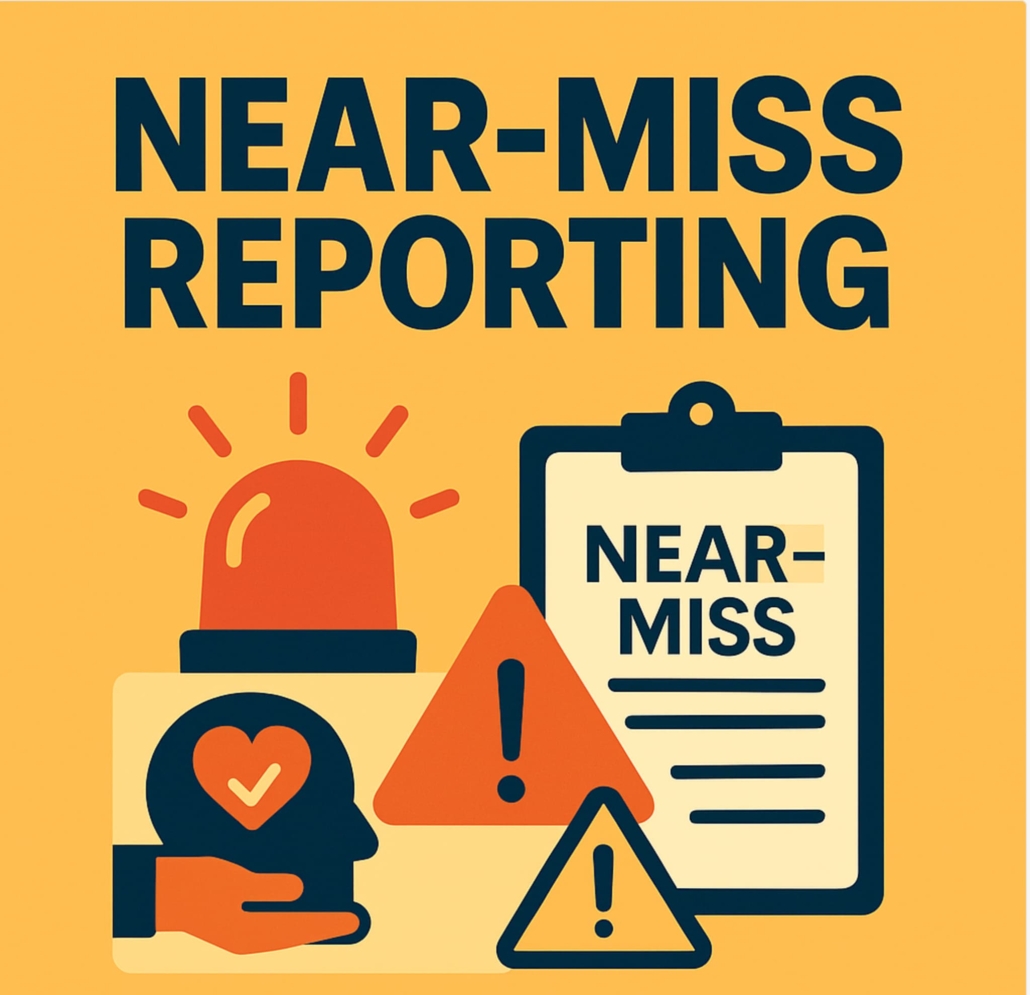
Near-Miss Reporting: Turning Close Calls into Learning Opportunities
By Dean Ferguson, CEO of BV Associates Ltd
In my years of working with businesses across multiple sectors, one of the most common patterns I’ve observed is that accidents are rarely a complete surprise. There are usually warning signs – often in the form of near-misses.
Unfortunately, many organisations either ignore these events or fail to capture them properly. A near-miss might be dismissed as “nothing happened,” but in reality, it represents a golden opportunity. If you treat near-miss reporting seriously, you can prevent incidents, reduce costs, and protect your people.
What Is a Near-Miss?
A near-miss is an unplanned event that did not result in injury, illness, or damage – but had the potential to do so.
Examples include:
- A worker nearly slipping on a wet floor.
- A falling object that misses someone by inches.
- A machine malfunction that doesn’t result in harm but could have.
While no one gets hurt, the underlying hazard remains. Ignoring near-misses is like ignoring a flashing warning light on your dashboard.
Why Near-Miss Reporting Matters
- Prevention, Not Reaction: Accidents are often preceded by a pattern of near-misses. By investigating these close calls, you can identify hazards before they escalate.
- Data for Better Decisions: Every near-miss report adds to a valuable pool of data. Analysing patterns can highlight recurring risks – particular locations, times, or tasks where hazards are more likely.
- Improved Safety Culture: Encouraging employees to report near-misses fosters openness and trust. It shifts the focus from blame to learning.
- Reduced Costs: The financial burden of accidents – fines, claims, downtime – is enormous. Near-miss reporting allows you to prevent those costs at a fraction of the price.
The Psychology of Reporting
So why don’t people report near-misses? Common barriers include:
- Fear of blame or punishment.
- Belief that “nothing happened, so it doesn’t matter.”
- Lack of awareness about how to report.
- Perception that management won’t act on it anyway.
Addressing these barriers is crucial. Leaders must create a culture where reporting is safe, easy, and valued.
Best Practices for Near-Miss Reporting
- Make It Simple: Provide clear, easy-to-use reporting systems. Digital apps can make reporting quick and convenient.
- Promote a No-Blame Culture: Reinforce that reports are about learning, not punishment. Celebrate those who highlight hazards.
- Train Staff: Ensure employees know what constitutes a near-miss and how to report it. Many people underestimate what should be logged.
- Act on Reports: The quickest way to kill a reporting culture is to ignore submissions. Investigate and provide feedback on every report.
- Analyse Trends: Use data to spot patterns and focus resources where they’re most needed.
Real-World Example:
A logistics company we worked with saw repeated near-misses involving workers nearly struck by forklifts in a busy loading bay. By investigating these reports, management identified poor traffic flow and limited visibility. They redesigned the layout, introduced pedestrian walkways, and installed mirrors at blind spots. Result? Zero forklift-related incidents in the following 18 months.
That’s the power of near-miss reporting.
How BV Associates Can Help
BV Associates offers training designed to make near-miss reporting effective and embedded in workplace culture:
- IOSH Managing Safely – teaching managers how to create environments where near-miss reporting thrives.
- NEBOSH General Certificate – providing the skills to investigate reports, analyse data, and implement systemic improvements.
- Incident Investigation Training – hands-on guidance for turning reports into actionable safety improvements.
These courses ensure businesses don’t just collect reports – they act on them.
Final Thoughts
Every near-miss is a free lesson. It’s a chance to identify hazards before they harm people, damage property, or disrupt business. The organisations that embrace near-miss reporting transform safety from reactive firefighting into proactive prevention.
Don’t wait for an accident to teach you a lesson you could have learned for free.
To find out how BV Associates can help your business strengthen its near-miss reporting and investigation systems, call us today on 01494 864100.
Wording copy write BV Associates Ltd dtd 20 Sept 25.


