
Fire Safety in the Workplace: An Employer’s Guide
Forward by Dean Ferguson
Fire safety is a critical aspect of workplace management in the UK, where employers have a legal and moral responsibility to protect their employees, customers, and premises. Fires can cause devastating loss of life, property damage, and business disruption. By implementing robust fire safety measures, organisations can reduce the risk of fire and ensure compliance with UK fire safety legislation.
In this blog we will outline the key principles of workplace fire safety, focusing on legal requirements, best practices, and tips to create a fire-safe environment.
Understanding Fire Safety Legislation in the UK
The cornerstone of fire safety in the UK is the Regulatory Reform (Fire Safety) Order 2005 (commonly referred to as the Fire Safety Order). This legislation places the responsibility for fire safety firmly on employers, building owners, and occupiers, who are legally defined as the “responsible person.”
Key Responsibilities Under the Fire Safety Order
- Conducting a Fire Risk Assessment:
The responsible person must carry out a comprehensive fire risk assessment to identify potential hazards, assess the risk to people, and determine measures to mitigate those risks. - Implementing Fire Safety Measures:
Appropriate fire safety measures must be put in place, including fire detection systems, emergency lighting, fire extinguishers, and clear escape routes. - Providing Information and Training:
Employees must be informed of fire risks, evacuation procedures, and how to use fire safety equipment. Regular fire drills are also mandatory. - Maintaining Fire Safety Equipment:
All fire safety equipment, including alarms and extinguishers, must be regularly inspected and maintained in working condition. - Keeping Records:
Employers are advised to maintain detailed records of their fire safety measures, training sessions, and risk assessments, especially for larger businesses or those with higher risks.
Best Practices for Fire Safety in the Workplace
Fire Risk Assessment
A fire risk assessment is the foundation of workplace fire safety. It should be reviewed regularly, especially when there are changes to the building layout, equipment, or workforce. If a responsible person lacks the expertise to conduct a thorough assessment, hiring a professional fire safety consultant is advisable.
Fire Prevention Measures
Preventing fires is as important as preparing for them. Employers can take several steps to reduce fire hazards:
- Keep electrical systems well-maintained and avoid overloading sockets.
- Store flammable materials safely and away from ignition sources.
- Ensure good housekeeping practices, such as promptly removing waste materials.
- Prohibit smoking in non-designated areas.
Fire Detection and Alarm Systems
Installing and maintaining reliable fire detection and alarm systems is crucial. These systems must be tested regularly to ensure they function correctly. In larger workplaces, integrating alarms with evacuation systems can further enhance safety.
Clear Emergency Routes and Exits
All workplaces must have clearly marked emergency routes and exits that are free from obstructions. Fire doors should remain closed but unlocked, allowing swift evacuation while containing the spread of fire and smoke.
Fire Safety Training and Drills
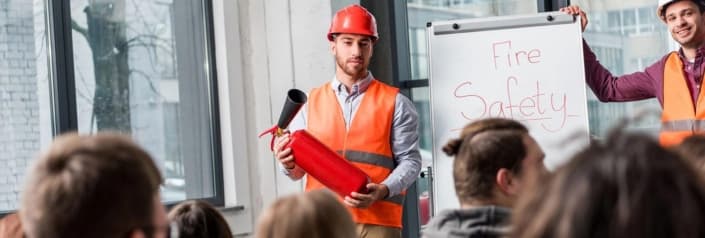
Every employee should be trained on fire safety protocols, including how to raise the alarm, use fire extinguishers, and follow evacuation procedures. Fire drills should be conducted at least annually to ensure everyone is familiar with the process.
Appointing Fire Wardens
Fire wardens play a critical role in workplace fire safety. They are responsible for assisting in evacuations, checking for potential hazards, and liaising with emergency services during an incident.
Tips for Ensuring Ongoing Compliance
- Engage Employees: Involve your team in fire safety initiatives to create a shared sense of responsibility.
- Stay Updated: Monitor changes in fire safety legislation to ensure your policies remain compliant.
- Use Technology: Digital tools can help you manage fire safety records, schedule equipment checks, and track training sessions.
- Regularly Review: Fire risk assessments and safety protocols should be reviewed periodically or after significant workplace changes.
What to Do in the Event of a Fire
Despite the best preventative measures, fires can still occur. It is essential to act quickly and follow established protocols:
- Raise the alarm immediately.
- Call the emergency services (999 in the UK).
- Evacuate the building using designated escape routes.
- Assemble at the predetermined meeting point.
- Do not re-enter the building until authorised by emergency services.
Conclusion
Fire safety is a fundamental aspect of workplace health and safety, requiring ongoing attention and compliance with UK regulations. By conducting thorough risk assessments, implementing preventative measures, and providing training, employers can minimise fire risks and protect their teams.
As an employer, prioritising fire safety not only ensures legal compliance but also demonstrates a commitment to the well-being of your workforce and the resilience of your business.
For more detailed guidance, refer to the UK Government’s official fire safety regulations or consult a qualified fire safety professional.
For expert NEBOSH and IOSH training, alongside comprehensive Risk Assessment courses and H&S consultancy services, contact BV Associates at 01494864100 or email info@bvassociates.co.uk. Our tailored programs ensure top-tier certification in NEBOSH, IOSH, and Risk Assessment, meeting industry standards and regulatory requirements. Explore our website for detailed information on accredited courses, expert consultancy, and customised training solutions designed to enhance workplace safety and compliance.
Copyright © 2025. All rights reserved.


